
Cheap vs Expensive Car Cleaning Kit: Is It Worth It? | What You Actually Get for Your Money
You’re standing in the auto parts aisle, staring at a $25 kit on one shelf and a $120 kit on another, and you have no idea if spending the extra money will make your car look any better — or if you’re just paying for fancy packaging.
That’s a tough call. Everyone wants to save money, but nobody wants to waste it on junk that doesn’t work. The truth about car cleaning kits is more nuanced than “expensive equals good” or “cheap equals bad.” Some cheap kits are surprisingly solid. Some expensive kits are overpriced hype. This guide breaks down exactly what changes when you spend more, where the sweet spot is, and which kit is right for your situation.
TL;DR
Cheap kits ($15–35) work fine for basic washing and occasional use, but the towels are small, the bottles run out fast, and you may need to buy extras. Mid-range kits ($40–70) offer the best value — better towels, concentrated products that last longer, and more complete tools. Expensive kits ($80–150) are for enthusiasts who wash weekly and want professional-grade results, but most daily drivers don’t need them. The sweet spot for most people is $40–60. Avoid the very cheapest $15 kits and the very most expensive $150 kits unless you have specific needs.
Key Takeaways
- Cheap kits work but cut corners on towel quality, bottle sizes, and included tools.
- Mid-range kits offer the best value — better microfiber, concentrated soaps, and two buckets.
- Expensive kits use professional-grade ingredients and larger bottles, but most drivers won’t notice the difference.
- The most important factor is how you use the kit, not how much you spend.
- A $40 kit used correctly beats a $150 kit used poorly every time.
Understanding What Changes When You Spend More
Here’s the thing about car cleaning kits — the law of diminishing returns hits hard. A $25 kit is usually much better than a $10 kit. A $50 kit is better than a $25 kit. But a $100 kit is only slightly better than a $50 kit. And a $200 kit is barely better than a $100 kit for most people.
Interesting fact: Professional detailers often use products that cost $30–50 per bottle, not because they’re snobs, but because they use them every day and the time savings add up. For a home user washing once a month, those same products are overkill.
Think about it. You’re not running a detailing business. You don’t need a gallon of wheel cleaner that will expire before you use half of it. You don’t need a foam cannon that sits in your garage collecting dust. What you need is a kit that matches your actual habits.
So ask yourself: How often do you wash your car? Do you enjoy the process or just want it done? The answer tells you how much to spend.
What Cheap Kits Get Right and Wrong
Let’s be honest about cheap kits. They exist for a reason — they work for millions of people. But they have limits.
What cheap kits ($15–35) do well:
- Basic cleaning. They’ll remove dirt and grime.
- Value. You get everything you need to start.
- Availability. Every auto parts store and Walmart has them.
Where cheap kits fall short:
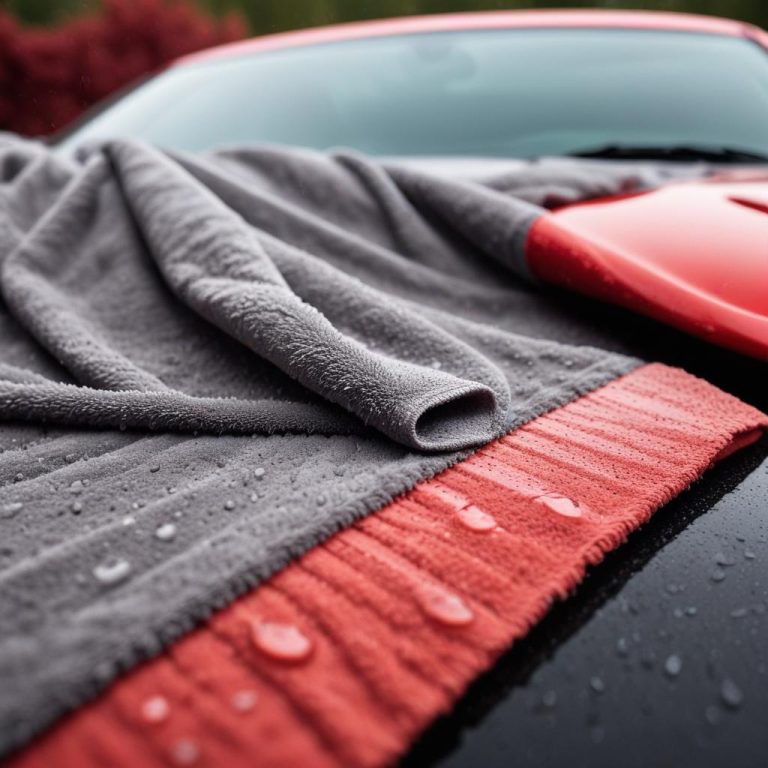
- The towels are usually small and thin. You’ll need 3–4 to dry a car.
- The bottles are small (16–24 oz). You’ll run out faster.
- The wash mitt is often a cheap foam sponge instead of microfiber.
- The products aren’t concentrated — you use more per wash.
- No buckets or brushes included.
Safety reminder: The biggest risk with cheap kits isn’t the chemicals — it’s the towels. Cheap, rough towels can scratch your paint. If you buy a cheap kit, consider buying better towels separately.
What Expensive Kits Get Right and Wrong
Expensive kits aren’t scams. They genuinely offer better products. But “better” doesn’t always mean “worth it for you.”
What expensive kits ($80–150) do well:
- Professional-grade microfiber towels — larger, plusher, safer.
- Concentrated products — a little goes a long way.
- Larger bottle sizes — 32–64 oz instead of 16 oz.
- Better tools — real wash mitts, quality brushes, maybe even buckets.
- Advanced formulas — ceramic sprays, pH-neutral soaps, specialized cleaners.
Where expensive kits fall short:
- The price. You’re paying 3–5x more for maybe 20–30% better results.
- Too many products. Some kits include 15+ items you’ll never use.
- Overkill for casual users. That ceramic spray won’t look different from spray wax to most eyes.
Interesting fact: Some expensive kits include products that require specific techniques — like clay bars that need lubricant or ceramic coatings that need perfect application. If you don’t use them correctly, you wasted your money.
Timeline: How Car Cleaning Kit Pricing Has Changed
The gap between cheap and expensive has widened, but the quality of cheap kits has improved dramatically.
Cheap kits have improved dramatically over the past 30 years. The gap between cheap and expensive has narrowed. But expensive kits still hold an edge in durability and specialty features.
Detailed Breakdown: What Each Price Tier Gets You
Let’s get specific about what changes at each price point.
$15–35: Budget Tier
Best for: First-time car owners, students, very occasional washers (once a month or less), people who don’t care much about paint perfection.
What you typically get:
- 16 oz car shampoo (ready-to-use, not concentrated)
- 16 oz spray wax or quick detailer
- 16 oz wheel cleaner
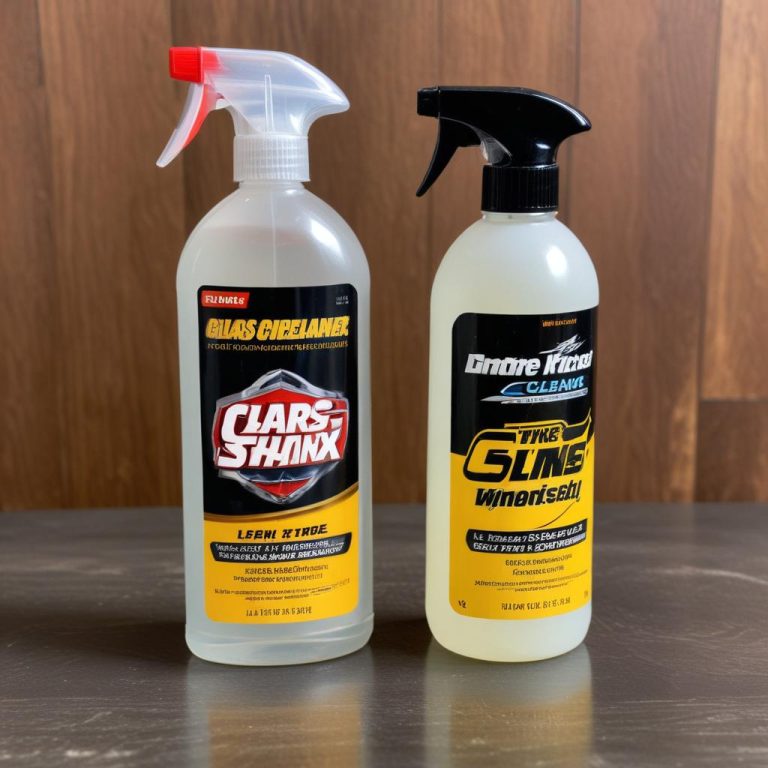
- 16 oz glass cleaner
- 16 oz interior cleaner
- 1–2 small microfiber towels (12” x 12”)
- 1 foam sponge or cheap wash mitt
- 1 small applicator pad
The reality: These kits work. They’ll clean your car. But the towels are too small to dry a whole car — you’ll need 3–4 of them. The products aren’t concentrated, so a 16 oz bottle lasts 2–3 washes. The foam sponge can trap grit and scratch paint if you’re not careful.
Hidden costs: You’ll likely need to buy extra towels ($10–15) and a better wash mitt ($8–12) within a few months.
Interesting fact: The profit margin on budget kits is very thin. Manufacturers save money on the towels and bottles, not on the chemicals. The soap in a $25 kit is often similar to the soap in a $60 kit — just in a smaller bottle.
Should you buy it? Yes, if you’re on a tight budget or wash your car very rarely. No, if you care about paint condition or wash more than once a month.
$40–70: Mid-Range Tier (The Sweet Spot)
Best for: Most daily drivers, homeowners, people who wash every 1–2 weeks, anyone who wants good results without overspending.
What you typically get:
- 16–32 oz concentrated car shampoo (makes 5–10 gallons)
- 16–32 oz spray wax or quick detailer
- 16–24 oz wheel cleaner
- 16 oz glass cleaner
- 16 oz interior cleaner
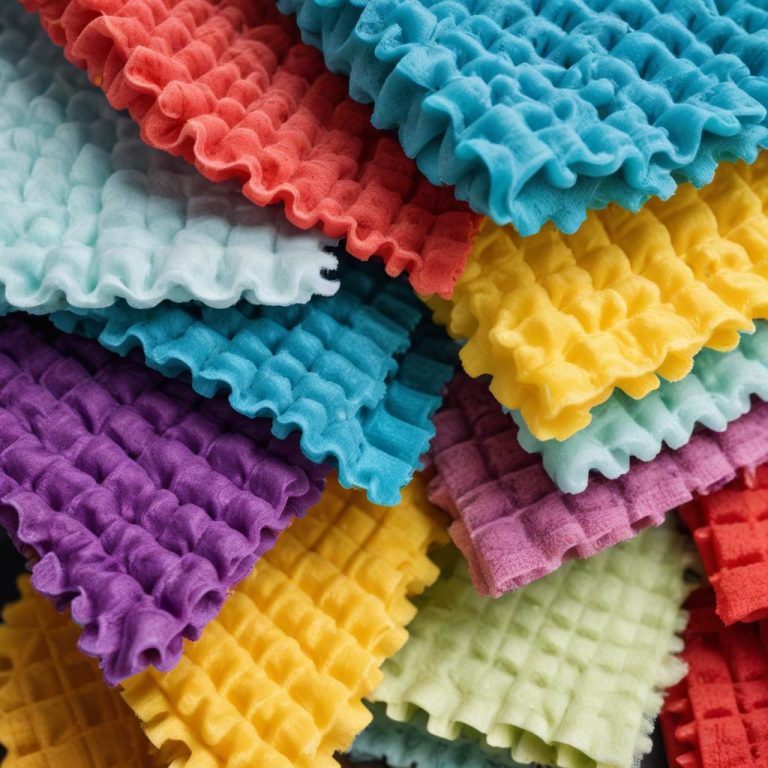
- 3–4 large microfiber towels (16” x 16” or larger)
- 1 quality microfiber wash mitt
- 2 buckets with grit guards (in some kits)
- 1–2 applicator pads
- Detailing brush (in some kits)
The reality: This is where value peaks. The concentrated shampoo lasts 8–12 washes. The towels are large enough to actually dry a car. The wash mitt is microfiber, not foam. Some kits even include buckets, which are $15–20 value on their own.
Hidden costs: None, really. This tier includes everything you need for at least 6–12 months of regular washing.
Should you buy it? Yes. For most people, this is the right answer. You get 90% of the performance of expensive kits for 50% of the price.
$80–150: Premium Tier
Best for: Enthusiasts who wash weekly, people with expensive or classic cars, anyone who enjoys detailing as a hobby, owners of dark-colored cars (which show scratches more).
What you typically get:
- 32–64 oz concentrated car shampoo (makes 20–40 gallons)
- 32 oz spray wax or dedicated ceramic spray
- 32 oz wheel cleaner (often iron-removing formula)
- 16–32 oz glass cleaner
- 32 oz interior cleaner or dedicated leather products
- 6–8 premium microfiber towels (edgeless, high GSM)
- 2 high-quality microfiber wash mitts
- 2 buckets with grit guards
- Clay bar or clay mitt with lubricant
- Foam cannon (in some kits)
- Detailing brush set
- Tire dressing with applicator
The reality: These kits are genuinely better. The towels are plusher and safer. The products are more concentrated — a 32 oz bottle of shampoo might make 40 gallons of wash solution. The wheel cleaner will dissolve brake dust without scrubbing. Some kits include a foam cannon, which is a $30–50 value alone.
Hidden costs: None. Everything is included. But you might feel pressure to use every product, even if you don’t need to.
Should you buy it? Yes, if you wash weekly and enjoy the process. No, if you wash monthly and just want a clean car. The extra performance won’t matter to you.
Interesting fact: Premium kits often include products that require more skill to use — like clay bars (which need lubricant) and ceramic sprays (which need perfect application). If you’re a beginner, you might actually get worse results from a premium kit.
What You’re Actually Paying For: A Feature-by-Feature Comparison
Let’s compare specific features across price tiers.
| Feature | Budget ($15–35) | Mid-Range ($40–70) | Premium ($80–150) |
|---|---|---|---|
| Towel size | 12” x 12” | 16” x 24” | 24” x 36” |
| Towel GSM (thickness) | 200–300 | 350–500 | 600–800 |
| Towel count | 1–2 | 3–4 | 6–8 |
| Wash mitt type | Foam sponge | Microfiber | Premium microfiber |
| Car shampoo | Ready-to-use | Concentrated | Ultra-concentrated |
| Shampoo volume | 16 oz | 16–32 oz | 32–64 oz |
| Washes per bottle | 2–3 | 8–12 | 20–40 |
| Spray wax type | Basic | Quality | Ceramic hybrid |
| Buckets included | No | Sometimes | Usually |
| Grit guards | No | Sometimes | Yes |
| Clay bar/mitt | No | No | Often |
| Foam cannon | No | No | Sometimes |
| Detailing brushes | No | Sometimes | Yes |
Safety reminder: A cheap towel with high GSM doesn’t exist. GSM (grams per square meter) measures density. Cheap towels are thin. Premium towels are thick. Thick towels hold more water and scratch less.
The Cost-Per-Wash Calculation
This is the most honest way to compare kits. Let’s do the math.
Budget kit ($25)
- Lasts 3–4 washes before running out of shampoo or towels wear out
- Cost per wash: $6–8
- Plus you’ll need to buy more towels ($10) after 2–3 washes
- True cost per wash over 6 months: $8–10
Mid-range kit ($55)
- Lasts 10–15 washes before running out
- Towels last 20+ washes if cared for
- Cost per wash: $4–6
- True cost per wash over 6 months: $4–6
Premium kit ($120)
- Lasts 25–40 washes before running out
- All tools last 1–2 years
- Cost per wash: $3–5
- True cost per wash over 12 months: $3–5
Interesting fact: On a cost-per-wash basis, premium kits are actually cheaper than budget kits if you wash frequently. The problem is the upfront cost. If you wash twice a month, a $120 premium kit lasts a year — that’s $10 per month. A $25 budget kit lasts one month — that’s also $10 per month. Same cost, better results.
The takeaway: If you wash rarely, buy cheap. If you wash regularly, buy mid-range or premium — the cost per wash is similar or better.
Comparison Table: Specific Kits at Each Price Point
Real data from Amazon, Walmart, Target, and AutoZone as of April 2025.
| Kit | Price | Price Tier | Cost Per Wash | Best For |
|---|---|---|---|---|
| Armor All Car Wash Kit | $18–22 | Budget | $6–8 | Rare washers, tight budgets |
| Meguiar’s Complete Kit | $30–40 | Budget+ | $5–7 | Beginners who want trusted brand |
| Chemical Guys Medium Kit | $50–65 | Mid-Range | $4–6 | Weekly washers, good value |
| Turtle Wax Hybrid Kit | $35–50 | Mid-Range | $4–6 | Ceramic protection on a budget |
| Adam’s Polishes Basic Kit | $80–95 | Premium | $3–5 | Enthusiasts, dark paint owners |
| Chemical Guys Bucket Kit | $70–90 | Premium | $3–5 | Includes buckets and grit guards |
Where to Spend Extra Money vs. Where to Save
Not all upgrades are equal. Some are worth paying for. Some aren’t.
Worth the Upgrade (Spend Here)
Better towels: This is the single best upgrade. A $25 kit with $15 of better towels beats a $60 kit with cheap towels. Spend money on large, plush microfiber drying towels (600+ GSM, 24” x 36”).
Concentrated shampoo: Concentrated products last 3–4x longer than ready-to-use. The price per wash is much lower. Always buy concentrated if you have the choice.
A proper wash mitt: Foam sponges trap grit. Microfiber mitts release grit into rinse water. A $10–12 mitt is worth every penny.
Grit guards for buckets: These $5–10 plastic inserts sit in the bottom of your rinse bucket and trap dirt so it doesn’t re-contaminate your mitt. They work shockingly well.
Not Worth the Upgrade (Save Here)
Ceramic spray vs. regular spray wax: For most people, the difference is invisible. Ceramic lasts longer, but you probably won’t notice the extra weeks of protection.
Name-brand vs. store-brand chemicals: Many store brands are made by the same manufacturers as name brands. Compare ingredients. They’re often identical.
A foam cannon: They’re fun, but they don’t clean better than a two-bucket wash. Buy one only if you enjoy the process.
Specialty wheel cleaners: Basic wheel cleaner works fine for weekly washes. Iron-removing formulas are only necessary if you wash every 2–3 months and have baked-on brake dust.
Tip: If you want to build your own kit, buy a mid-range bundle and add one premium item — like a really good drying towel. That combo often outperforms a full premium kit.
The Hidden Costs of Cheap Kits
Cheap kits cost less upfront. But they have hidden costs you might not see.
Scratched paint: Cheap towels and foam sponges cause swirl marks. Fixing swirl marks costs $200–500 for a professional polish. That’s expensive.
Frequent replacement: Cheap products run out faster. You buy more often. Over a year, a cheap kit can cost as much as a premium kit.
Frustration: Small towels that can’t dry a car. Streaky glass cleaner. Hard-to-remove wax. That frustration has a cost — your time and patience.
Safety reminder: The cheapest wheel cleaners sometimes contain harsh acids that can damage your wheels if used incorrectly. Read labels carefully.
Have you ever bought a cheap kit, then bought another cheap kit a month later, then another? Add up those costs. You could have bought one good kit.
The Hidden Costs of Expensive Kits
Expensive kits aren’t all upside. They have hidden costs too.
Overwhelm: A 15-piece kit with products you’ve never heard of. You don’t know what order to use them. You end up using half and ignoring the rest.
Expiration: Some products have shelf lives. A gallon of wax that takes you 3 years to use might separate or dry out before you finish it.
Technique requirements: Ceramic coatings need perfect application. Clay bars need lubricant. If you mess up, you can actually damage your paint.
Storage space: Premium kits come in big boxes with many bottles. If you live in an apartment, you might not have room.
Interesting fact: Some premium products have shorter shelf lives than budget products. Natural waxes and organic cleaners can go bad in 6–12 months. Cheap synthetic products last for years.
Who Should Buy Which Kit? A Decision Guide
Answer these questions to find your perfect kit.
Question 1: How often do you wash your car?
- Once a month or less → Budget or mid-range
- Every 1–2 weeks → Mid-range
- Weekly or more → Premium
Question 2: How much do you care about paint perfection?
- “It’s just a car” → Budget
- “I like it clean but don’t obsess” → Mid-range
- “I notice every swirl mark” → Premium
Question 3: What’s your car’s color?
- White, silver, light gray → Any tier (scratches don’t show)
- Red, blue, green → Mid-range or premium
- Black, dark gray, dark blue → Premium (dark paint shows everything)
Question 4: Do you enjoy car cleaning or just want it done?
- “I want it over with” → Budget or mid-range
- “I actually like doing it” → Mid-range or premium
Question 5: What’s your budget right now?
- Under $30 → Budget
- $30–70 → Mid-range
- Over $70 → Premium or mid-range with add-ons
Tip: If you’re unsure, buy a mid-range kit from a trusted brand like Meguiar’s or Chemical Guys. You’ll almost certainly be happy. Then next time, you’ll know if you want to spend more or less.
The Build-Your-Own Kit Alternative
Sometimes the best kit is the one you build yourself. Here’s a high-value DIY kit that beats most pre-made options at every price point.
The $45 DIY Kit (Better than most $60–80 pre-made kits)
| Item | Price | Notes |
|---|---|---|
| Meguiar’s Gold Class Shampoo (64 oz concentrated) | $15–18 | Makes 20+ gallons, lasts a year |
| Two 5-gallon buckets (from hardware store) | $10–12 | Any buckets work |
| Microfiber wash mitt | $8–12 | Any brand with good reviews |
| Large microfiber drying towel (24” x 36”) | $10–15 | The Rag Company or Chemical Guys |
| 6-pack of smaller microfiber towels | $10–12 | For windows and interior |
| Total | $45–55 |
What you’re missing: Wheel cleaner, glass cleaner, interior cleaner, spray wax. Buy these one at a time as you need them. A bottle of each adds $20–30.
Why this works: You get better towels and more shampoo than a $60 pre-made kit. You spend about the same money but get higher quality where it matters.
Safety reminder: Don’t skip the wheel cleaner if you have alloy wheels. Brake dust can etch into wheel clear coat over time. A $8 bottle lasts many washes.
FAQ: Cheap vs Expensive Car Cleaning Kits
Is a cheap car cleaning kit worth buying?
Yes for occasional use (once a month or less). No for weekly washers — the cost per wash is higher than mid-range kits.
What’s the best price for a car cleaning kit?
$40–60 offers the best value for most people. You get quality towels and concentrated products without paying for unnecessary extras.
Are expensive kits just branding?
Partly, but not entirely. Premium kits use better towels, more concentrated formulas, and include tools like clay bars. The difference is real but small.
Can I get professional results with a cheap kit?
Yes, if you add better towels and use proper technique. A $25 kit with $15 of good towels beats a $100 kit used poorly.
What’s the most important item to spend money on?
Microfiber drying towels. A large, plush towel (600+ GSM, 24” x 36”) makes drying faster, safer, and streak-free.
Do expensive kits last longer?
Yes. Concentrated products in larger bottles last 3–4x longer than budget kit bottles. Over a year, the cost per wash is similar or lower.
Should I buy a kit or individual products?
Buy a mid-range kit first. After you use it up, buy individual products based on what you used most. That’s the best long-term strategy.
The Bottom Line: What You Should Actually Buy
Let me be direct with you.
If you wash your car once a month or less: Buy the Meguiar’s Complete Kit for $30–40. Add one large drying towel ($10–15). You’re done. Total: $40–55.
If you wash every 1–2 weeks: Buy the Chemical Guys Medium Kit ($50–65) or build your own DIY kit ($45–55). Both are great. Don’t spend more unless you’re an enthusiast.
If you wash weekly and love detailing: Buy the Adam’s Polishes Basic Kit ($80–95) or Chemical Guys Bucket Kit ($70–90). You’ll appreciate the extras.
If you’re on a tight budget: Buy the Armor All Car Wash Kit ($18–22). Throw away the foam sponge. Buy a microfiber wash mitt ($8–12). You now have a decent setup for $30.
Interesting fact: The worst value is the $15 kit with a foam sponge, one tiny towel, and 8 oz bottles. It won’t last two washes, and the sponge will scratch your paint. Skip these entirely.
What’s your go-to cleaning method or tool? Share your experience in the comments below.
References: