How to Maintain Your Car Cleaning Tools for Long Use | Save Money and Get Better Shine Every Time
There’s nothing more satisfying than seeing your car shine after a proper clean, only to grab your favorite microfiber cloth and find it’s stiff, scratchy, and full of grit.
That moment happens to all of us. You’ve got a half-hour set aside, the sun is just right, and you’re ready to make your ride look amazing. But your tools let you down. A clogged pressure washer nozzle spits water everywhere. A dried-out sponge leaves streaks. A broken brush handle makes your knuckles sore. The good news? You can avoid all of that with just a little know-how.
TL;DR
Taking care of your car cleaning tools isn’t hard, and it saves you money while giving you better results. Wash microfiber towels separately without fabric softener, rinse brushes and sponges after every use, store spray bottles away from freezing temps, and check hoses and nozzles for clogs. A few minutes of maintenance each month means your tools last for years instead of months.
Key Takeaways
- Clean your microfiber cloths and mitts properly so they don’t scratch paint.
- Rinse and dry brushes, sponges, and wash mitts after every car wash.
- Store spray bottles, pressure washers, and vacuum cleaners in a dry, protected spot.
- Inspect hoses, nozzles, and power cords for damage before each use.
- Replace worn-out tools before they cause damage to your car’s finish.
Understanding Cleaning Methods and Tools: Efficiency Meets Results
Car cleaning is different from cleaning your kitchen or living room. Your car’s paint is delicate. The windows are huge and angled. The wheels collect brake dust that can stain. And the inside has carpets, vinyl, leather, and tiny vents that trap dust. So you need specific tools, and those tools need specific care.
Think about it. You wouldn’t use the same rag to wipe down a greasy stove and then clean your car’s dashboard, right? The same logic applies to maintenance. Microfiber cloths that clean your car’s paint can get ruined if you wash them with a kitchen towel that had bleach on it. Pressure washers lose power if you leave old water in them over winter. Vacuum cleaners start to smell bad if you never empty the canister.
Here’s the thing about cleaning — the right tools make everything faster and easier. But even the best tools wear out faster if you ignore them. A little prevention goes a long way.
Using the Right Cleaning Tools for Better Results
Let’s talk about the tools you probably own right now. Most car owners have a small collection: a bucket or two, a wash mitt, a few microfiber towels, a wheel brush, glass cleaner, and maybe a spray wax. If you’re more serious, you might own a pressure washer, foam cannon, vacuum, and upholstery brush.
Each tool has its own personality. Wash mitts (usually made of microfiber or wool) hold onto dirt if you don’t rinse them mid-wash. Scrub brushes for tires get caked with black residue that hardens like cement. Glass cleaners leave streaks if the spray nozzle is clogged. Degreasers and polishing compounds can dry out and ruin brush bristles if left sitting.
Cleaning your tools immediately after using them takes two minutes but adds years to their life.
So, have you ever pulled out a brush and found the bristles were stuck together with old product? That’s a sign you skipped the rinse step.
How Car Cleaning Tools Have Evolved
To understand why maintenance matters, it helps to see where we came from. Here’s a quick look at cleaning tools over the years:
The jump from basic brushes to modern foam cannons and robotic vacuums is huge, but even the fanciest tools need regular care.
Manual Cleaning vs Modern Tools: Which One Saves More Time?
You might think manual cleaning with basic tools is simpler because there’s less to break. And you’re not wrong. A bucket, a sponge, and a hose will always work. But modern tools like steam cleaners and pressure washers save so much time that they’re worth the extra maintenance.
Here’s a real-world comparison. Washing a midsize SUV by hand with a bucket and mitt takes about 45 minutes. Using a pressure washer with a foam cannon cuts that to 20 minutes. A vacuum cleaner with a motorized brush head cleans carpets in half the time of a plain hose attachment. Eco-friendly cleaning solutions often require less rinsing, which saves water and effort.
But here’s the catch. That pressure washer needs its inlet filter cleaned every few months. The foam cannon’s pickup tube can get clogged with old soap. The vacuum’s brush roll needs hair and string cut off regularly.
Interesting fact: Cleaning your vacuum’s filter every month can double the machine’s suction power and lifespan.
So ask yourself: Are you using modern tools but treating them like throwaway items?
Comparison Table: Popular Car Cleaning Tools (Real Prices from Major Retailers)
| Product Type | Best For | Ease of Use | Key Feature | Price Range |
|---|---|---|---|---|
| Microfiber Wash Mitt (Chemical Guys) | Paint-safe washing | Very Easy | Ultra-soft, deep pocket | $10–15 (Amazon) |
| Pressure Washer (Ryobi 1800 PSI) | Removing heavy dirt | Moderate | Lightweight, electric | $100–130 (Home Depot) |
| Wet/Dry Vacuum (Stanley 6 Gallon) | Interior & spills | Easy | Strong suction, blower port | $55–70 (Walmart) |
| Wheel & Tire Brush (Detail Factory) | Brake dust removal | Easy | Long handle, curved head | $18–22 (Target) |
| Glass Cleaner Spray (Invisible Glass) | Streak-free windows | Very Easy | Foaming action, no ammonia | $5–8 (Lowe’s) |
| Foam Cannon (MATCC) | Thick foam coverage | Moderate | Adjustable spray, brass fittings | $20–30 (Best Buy online) |
Prices checked April 2025. Your local store may vary slightly.
How to Maintain Specific Car Cleaning Tools
Now let’s get into the step-by-step stuff. This is the heart of the post. Follow these tips, and your (car cleaning tools) will last for years.
Microfiber Cloths and Wash Mitts
Microfiber is amazing because it traps dirt inside the fibers instead of pushing it across your paint. But microfiber can also trap grease, wax, and oil. If you wash microfiber with fabric softener or bleach, the fibers get coated and won’t grab dirt anymore.
How to maintain:
- Shake out loose dirt after each use.
- Wash in cold or warm water (never hot) with a liquid detergent that has no softener.
- Air dry or tumble dry on the lowest heat setting.
- Safety reminder: Never wash microfiber with cotton towels — the lint from cotton sticks to the microfiber and scratches paint.
Tip: Keep a separate laundry bag for your car microfiber so it never mixes with kitchen rags.
Have you ever dried your car with a “clean” towel only to see fine scratches in the sun? That’s damaged microfiber.
Brushes, Sponges, and Wash Mitts
Brushes for wheels and tires take a beating. They get covered in brake dust, road grime, and tire dressing. Sponges can trap sand and grit. If you don’t clean them, you’re basically rubbing sandpaper on your car next time.
How to maintain:
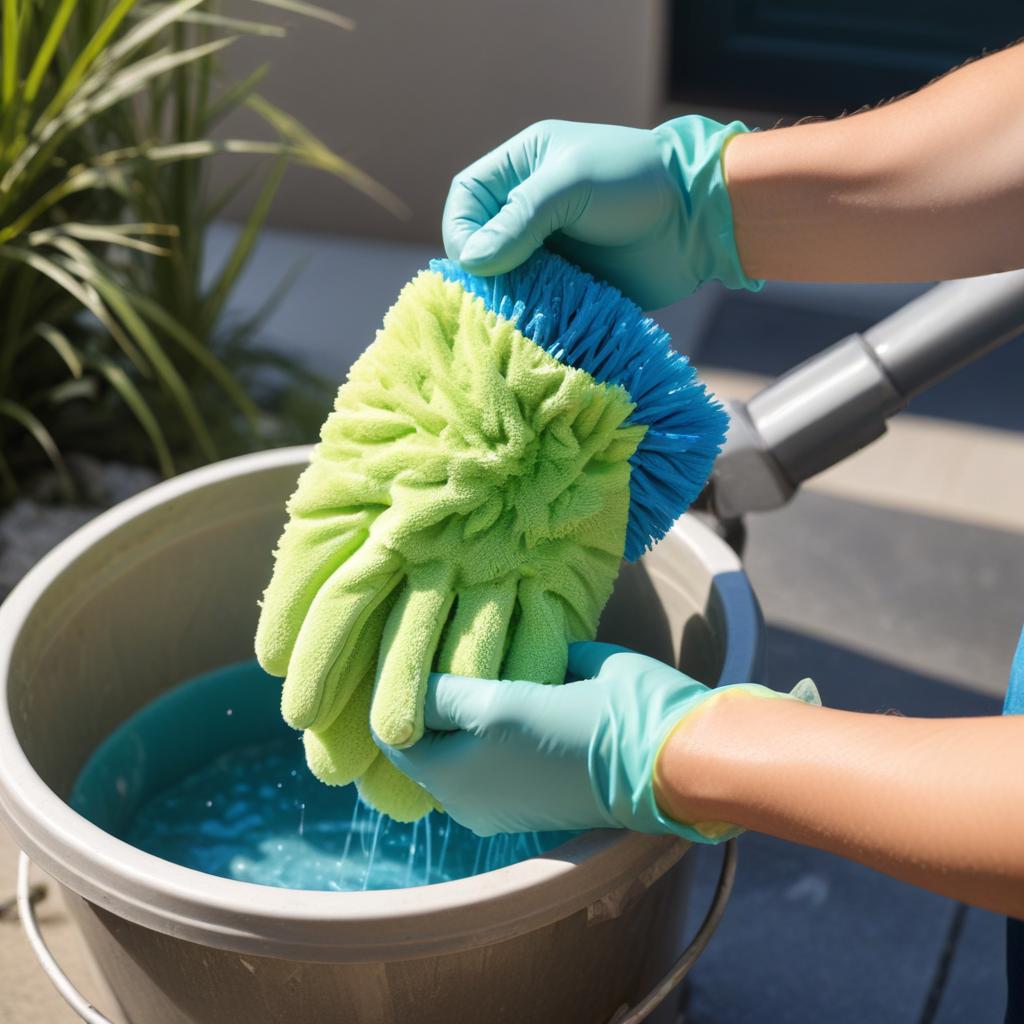
- Rinse brushes under running water while scrubbing them against your palm to loosen debris.
- Once a month, soak stiff brushes in warm soapy water with a little vinegar to dissolve hard residue.
- Replace sponges when they show any cracks or crumbling.
- Store brushes hanging up so bristles keep their shape.
“Using the right cleaning tools can cut cleaning time in half while improving results. But using dirty tools can ruin your paint in seconds.” — Detailer’s Handbook, 4th Edition
Do you store your wet brushes in a closed bucket? That’s a recipe for mold and mildew.
Pressure Washers and Hoses
Pressure washers are powerful but finicky. The most common problem is leaving water inside during freezing weather. Water expands when it freezes and cracks the pump. The second most common problem is a clogged nozzle or inlet filter.
How to maintain:
- After each use, run the pressure washer with no nozzle for a few seconds to clear water from the pump.
- Disconnect hoses and let them drain completely.
- Store indoors if possible. If you store in a garage, keep it off the concrete floor.
- Clean the inlet screen filter every 3–4 uses.
- Safety reminder: Never point a pressure washer at your skin or at car tires from close range — it can cause serious injury.
Interesting fact: A pressure washer’s seals dry out if you don’t use it for six months. Running plain water through it every two months keeps them flexible.
Have you noticed your pressure washer surging or losing pressure? Check the nozzle first — a tiny piece of grit is usually the problem.
Vacuum Cleaners for Car Interiors
Car vacuums suck up everything — french fries, dog hair, sand, leaves, and sticky candy. That stuff clogs hoses, kills suction, and makes the vacuum smell bad. The good news is that most vacuum problems are easy to fix.
How to maintain:
- Empty the canister or change the bag when it’s half full, not completely full.
- Cut hair and string off the brush roll with scissors every month.
- Wash the foam or HEPA filter according to the manual (most are washable in cool water).
- Check the hose for clogs by dropping a coin through it. If the coin sticks, something’s blocking it.
Tip: Vacuum your car’s carpets before you wash the exterior. Dry dirt vacuums up much easier than wet mud.
When was the last time you actually looked inside your vacuum’s hose? You might be surprised what you find.
Spray Bottles, Chemical Dispensers, and Foam Cannons
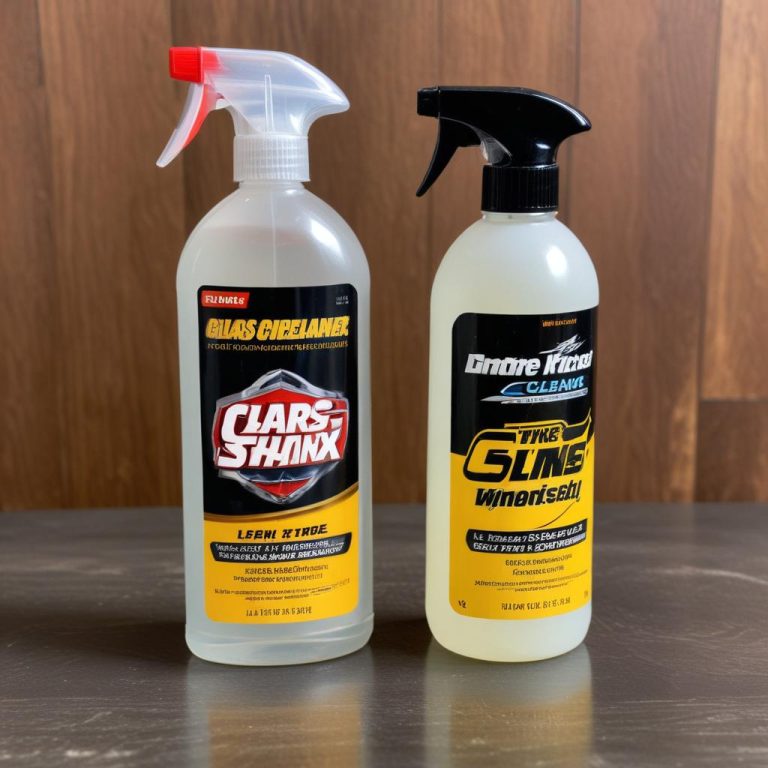
All-purpose cleaners, glass cleaners, degreasers, and odor eliminators usually come in spray bottles. The spray mechanism can get clogged when old product dries inside. pH-balanced cleaners are gentler, but they can still leave residue if you don’t rinse the tip.
How to maintain:
- After using any spray bottle, spray a tiny amount of plain water through the tip to clear the nozzle.
- For foam cannons, run plain water through the cannon after every use to flush out soap.
- Store spray bottles upright so the pickup tube stays submerged.
- Every few months, remove the spray head and soak it in warm vinegar for 10 minutes to dissolve mineral deposits.
Have you ever thrown away a perfectly good bottle of cleaner just because the sprayer stopped working? That’s a five-minute fix.
Common Mistakes That Ruin Car Cleaning Tools
Let me save you some frustration. Here are the biggest mistakes people make:
- Using fabric softener on microfiber. This coats the fibers and makes them repel water instead of absorbing it.
- Leaving wet sponges in the bucket. Mold grows fast, and moldy sponges smell terrible and spread bacteria.
- Kinking or coiling hoses too tightly. This damages the internal rubber and causes cracks.
- Storing pressure washer outside in winter. One freeze can crack the pump housing.
- Using dish soap in a foam cannon. Dish soap is too harsh for car paint and leaves residue that clogs the cannon’s internal parts.
- Ignoring the vacuum filter. A clogged filter makes the motor overheat and burn out.
Safety reminder: Always test cleaning products on a small area before full use. That includes testing a brush on a hidden spot like the inside of the door jamb.
FAQ: Your Questions About Maintaining Car Cleaning Tools
What is the best way to clean microfiber cloths?
Wash them in cold water with a free-and-clear liquid detergent, then air dry or tumble on low heat with no fabric softener.
How often should you clean your car wash mitt?
Rinse it after every panel you wash, and do a deep clean with soap and water after every single car wash session.
What tools are needed for basic car cleaning?
You need two buckets, a microfiber wash mitt, 3–4 microfiber drying towels, wheel brush, and a car-specific soap.
Are car cleaning kits worth the money?
Yes, if they include quality brands. Avoid kits with cheap plastic brushes and thin towels — those will scratch.
Can I use DIY cleaning solutions on my tools?
Vinegar and water works great for soaking brushes and removing mineral deposits from spray nozzles.
What mistakes should I avoid when storing cleaning tools?
Never store wet tools in sealed containers, and never leave spray bottles in a hot car or freezing garage.
Is professional cleaning better than DIY?
Professionals use industrial tools that last longer, but regular DIY maintenance of your own tools gives 90% of the benefit for 10% of the cost.
Real-World Impact: Good Maintenance Saves Money
Let’s do some quick math. A set of decent car cleaning tools costs about $150 total: two buckets ($20), three microfiber drying towels ($25), wash mitt ($12), wheel brush ($18), glass cleaner ($7), spray wax ($15), vacuum ($60). If you replace those tools every year because they get ruined, that’s $150 per year.
If you maintain them properly, that same set lasts five years. That’s $600 saved over five years. Plus, your car’s paint doesn’t get scratched by dirty tools. And scratched paint hurts resale value — a lot.
Interesting fact: A car with swirl marks and light scratches can lose 10–15% of its value compared to an identical car with a well-maintained finish.
You notice the difference immediately when the surface starts to shine. A clean, well-cared-for car just looks deeper and richer. That’s not magic — that’s good tools, well maintained.
Final Thoughts: Build a Simple Routine
You don’t need to spend hours on tool maintenance. Just build a five-minute routine after every car wash:
- Rinse brushes and mitts thoroughly.
- Shake out microfiber towels and hang them to dry.
- Flush your foam cannon and pressure washer with plain water.
- Empty your vacuum canister and check the filter.
- Wipe down spray bottle nozzles.
That’s it. That small habit will save you money, give you better cleaning results, and make your next car wash faster and more enjoyable.
What’s your go-to cleaning method or tool? Share your experience in the comments below.
References: