Why Your Car Cleaning Kit Is Not Giving Good Results | Fix These 7 Common Mistakes for a Professional Shine
You bought a car cleaning kit, followed what you thought were the steps, and somehow your car still looks streaky, dull, or covered in tiny scratches — and you’re starting to think the kit is just junk.
I get it. That’s frustrating. You spent money and effort, and the results don’t match what you expected. But here’s the truth most people don’t want to hear: the kit is rarely the problem. The problem is almost always how you’re using it. Bad technique turns good products into mediocre results. The good news? Every single one of these mistakes is easy to fix. Let’s troubleshoot your kit and get you the shine you deserve.
TL;DR
Your car cleaning kit isn’t giving good results because of one or more common mistakes: washing in direct sunlight, using one bucket instead of two, letting products dry on the surface, using the wrong towels, skipping the drying step, applying too much product, or mixing towels between jobs. Fix these seven issues, and your kit will work perfectly. No need to buy anything new — just change your technique.
Key Takeaways
- Direct sunlight makes soap and water evaporate too fast, leaving residue and water spots.
- One bucket spreads dirt back onto your paint — always use two.
- Never let any product dry on the surface unless the label says so.
- Use only microfiber towels on paint; bath towels and paper towels scratch.
- Dry your car immediately after rinsing; air drying causes hard water spots.
- More product isn’t better — use the amount recommended on the label.
- Keep towels separate: paint, wheels, glass, and interior.
Understanding Why Good Products Can Give Bad Results
Here’s the thing about car cleaning — it’s 30% products and 70% technique. You can have the most expensive kit in the world, but if you wash in the sun with a dirty towel, your results will look terrible. On the flip side, a basic $30 kit used correctly will outperform a $200 kit used poorly.
Interesting fact: Professional detailers can make a $20 bottle of soap produce stunning results because their technique is flawless. Amateurs can make a $100 wax look awful because they apply it wrong.
Think about it. Your car’s paint is a delicate surface. It’s softer than you think. The clear coat is only about as thick as a Post-it note. Every time you use bad technique, you’re permanently damaging that thin layer. The scratches might be invisible in your garage, but in direct sunlight, they become a spiderweb of shame.
So ask yourself: Have you been blaming your kit for problems that are actually caused by how you’re washing?
The Difference Between Product Failure and User Error
Before we dive into fixes, let’s be honest about which problems are your fault versus the kit’s fault.
| Problem | Likely Cause | Fix |
|---|---|---|
| Water spots after drying | Air drying or sun drying | Dry immediately with towels |
| Swirl marks and fine scratches | One bucket or dirty towels | Use two buckets and clean towels |
| Soap leaves white residue | Washing in direct sun | Wash in shade or early morning |
| Wax is hard to remove | Applied too thick or in sun | Use thin layer, work in shade |
| Streaky windows | Too much glass cleaner | Spray on towel, not glass |
| Towels leave lint | Fabric softener in wash | Wash microfiber without softener |
| Interior cleaner leaves film | Used too much product | Use less, buff with dry towel |
Do any of these sound familiar? If yes, your kit is probably fine. Your method needs a tweak.
Timeline: How Car Cleaning Mistakes Have Changed
The mistakes people make have evolved as products have gotten better. Here’s what I mean.
The percentage of people using dish soap on cars has dropped dramatically. But new mistakes have taken its place — like using the wrong drying towels and skipping the rinse bucket.
Mistake #1: Washing in Direct Sunlight
This is the single most common mistake. You have a sunny Saturday, so you grab your kit and start washing. By the time you finish the roof, the soap on the hood is already dry. That dried soap leaves a white, powdery residue that’s hard to remove. Then the water evaporates before you can dry it, leaving hard water spots everywhere.
Why this happens: Sunlight heats the car’s surface to 120–140°F. Water evaporates in seconds. Soap dries in minutes. You’re fighting a losing battle.
The fix: Wash in the shade. If you have no shade, wash early morning (before 9am) or late evening (after 5pm). Cloudy days are perfect. If you absolutely must wash in sun, work one panel at a time — wash one panel, rinse it immediately, dry it immediately. Then move to the next panel.
Interesting fact: The surface temperature of a dark-colored car in summer sun can reach 170°F. That’s hot enough to cook an egg. It will definitely bake soap onto your paint.
Safety reminder: Never wash a car that’s hot to the touch. The heat can make some cleaning products react unpredictably. Let it cool in the shade for 30 minutes first.
Have you ever seen white soap residue on your car after washing? That’s sun damage. Your kit isn’t the problem.
Mistake #2: Using One Bucket Instead of Two
You fill one bucket with soapy water. You dip your mitt. You wash a panel. You dip the dirty mitt back into the same bucket. Now that bucket has grit in it. You wash another panel. Now you’re rubbing that grit across your paint.
Why this happens: It seems faster and easier. You don’t want to carry two buckets. But every time you put a dirty mitt back into your soapy water, you’re turning your wash water into sandpaper.
The fix: Use two buckets. One bucket holds your soapy water. The second bucket holds plain water for rinsing your mitt. After each panel, dip the dirty mitt into the rinse bucket, swish to release dirt, squeeze, then dip into the soapy bucket. Your soap stays clean. Your paint stays scratch-free.
Tip: If you truly can’t use two buckets, change your soapy water halfway through. Dump it out and refill with fresh water and soap. It’s not as good as two buckets, but it’s better than using filthy water.
Do you use one bucket? That’s the number one cause of swirl marks. Your kit isn’t the problem.
Mistake #3: Letting Products Dry on the Surface
Every product in your kit has a “dwell time” — the time it should sit on the surface before you rinse or wipe. But almost every product also has a warning: do not let dry. Once a product dries, it becomes hard, sticky, or powdery. Removing it takes twice as much work.
Why this happens: You get distracted. You spray wheel cleaner on all four wheels, then answer your phone. By the time you come back, it’s dry and baked on. Or you wash the whole car before rinsing, and the soap dries on the lower panels.
The fix: Read every label for dwell time. Work in sections. For wheel cleaner, do one wheel at a time. For car shampoo, rinse before it dries. For spray wax, wipe immediately. Set a timer if you need to.
Common products that should never dry:
- Wheel cleaner
- Car shampoo (unless it’s a “foam and rinse” type)
- Quick detailer (wipe immediately)
- Glass cleaner (wipe immediately)
- Interior cleaner (wipe within a minute)
Interesting fact: Some products are designed to dry — like certain spray waxes and ceramic coatings. But they’re the exception. When in doubt, assume “do not let dry.”
Have you ever had to scrub dried wheel cleaner off your wheels? That’s a product that dried. Your kit isn’t the problem.
Mistake #4: Using the Wrong Towels
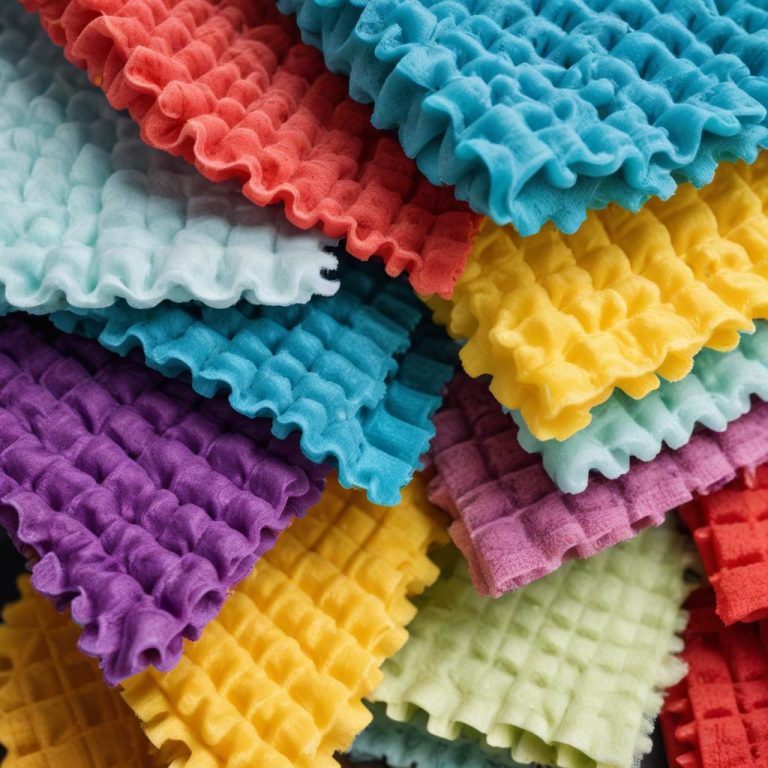
Your kit came with microfiber towels. But maybe you ran out and grabbed a bath towel. Or you used paper towels on the windows. Or you kept using the same towel after it got dirty.
Why this happens: Microfiber seems expensive. Bath towels are right there. But bath towels have thick, stiff cotton fibers that scratch clear coat. Paper towels contain wood fibers that scratch instantly. Old t-shirts have hardened detergent residue.
The fix: Use only microfiber towels on your car’s paint and glass. Buy a few extras if your kit didn’t include enough. A pack of 12 affordable microfiber towels costs $15–20 and lasts for years.
How to spot a bad towel:
- It feels rough or scratchy to your hand.
- It leaves lint on the glass.
- It doesn’t absorb water — it pushes it around.
- It has a tag or seam that could scratch.
Safety reminder: Wash your microfiber towels with liquid detergent and no fabric softener. Fabric softener coats the fibers and ruins their ability to absorb water.
Do you dry your car with a bath towel? Stop. That’s scratching your paint right now.
Mistake #5: Skipping the Drying Step
You rinse the car. You’re tired. You think, “I’ll just let it air dry.” Twenty minutes later, your car is covered in white water spots. Those spots are minerals left behind when water evaporated. They’re hard to remove and can etch into your clear coat if left too long.
Why this happens: Drying takes effort. You’re already tired from washing. But air drying is the fastest way to ruin a good wash.
The fix: Dry immediately after your final rinse. Use the largest microfiber towel from your kit. Work from top to bottom. Use a spray wax as a drying aid — it lubricates the towel and adds shine.
If you already have water spots: Mix equal parts distilled water and white vinegar. Spray on the spots, let sit for 30 seconds, wipe with a damp microfiber. Rinse immediately.
Interesting fact: Hard water spots are more common in areas with well water or old city pipes. If you get spots every time, consider using a deionized water system or a rinseless wash product.
Have you ever parked a wet car in the sun and come back to a polka-dotted mess? That’s air drying. Your kit isn’t the problem.
Mistake #6: Applying Too Much Product
You think more soap means a cleaner car. More wax means more shine. More interior cleaner means a fresher smell. But that’s not how chemistry works. Excess product leaves residue. Residue attracts dirt. And you end up with a filmy, greasy mess.
Why this happens: The labels say “apply generously” or “use a liberal amount.” That’s marketing. The actual effective amount is much smaller than you think.
The fix: Read the dilution ratios. Most car shampoos need 1 ounce per 2–3 gallons of water. That’s about two soda bottle caps. For spray products, one or two sprays per panel is plenty. For wax, a thin layer that you can barely see is perfect.
Signs you’re using too much:
- Soap leaves white residue after rinsing.
- Wax is hard to buff off.
- Glass cleaner leaves streaks.
- Interior cleaner leaves a greasy film.
- You run out of product after 2–3 washes.
Tip: When in doubt, use half of what you think you need. You can always add more. You can’t take away excess without re-washing.
Do you go through your kit’s products in a month? You’re using too much. Your wallet and your paint will thank you for cutting back.
Mistake #7: Mixing Towels Between Jobs
You use one towel for everything. It cleans the wheels, dries the paint, wipes the windows, and scrubs the interior. By the time you’re done, that towel has brake dust, wax residue, glass cleaner, and interior cleaner all mixed together. And you just wiped all of that across your paint.
Why this happens: It seems efficient. Fewer towels to wash. But cross-contamination is real. Brake dust from wheels is abrasive. Glass cleaner can strip wax. Interior cleaner can leave film on glass.
The fix: Color-code your towels. Use one color for paint (blue or yellow). A different color for wheels (red or black). A third color for glass (green). A fourth for interior (gray or white). If your kit only came with one color, buy a few more. Or mark them with a permanent marker.
The four towel categories you need:
- Paint towels: For drying, buffing wax, and applying spray detailer. Keep these pristine.
- Wheel towels: For wheels, tires, and exhaust tips. These get dirty and stay dirty.
- Glass towels: For windows inside and out. Use only on glass.
- Interior towels: For dash, doors, and seats. Keep separate from exterior towels.
Interesting fact: A single grain of brake dust from your wheels can scratch a line across your entire hood if it gets trapped in a drying towel. That’s why wheel towels never touch paint.
Have you ever found black marks on your paint after drying? That’s brake dust from a towel that touched your wheels. Your kit isn’t the problem.
How to Fix Your Results Without Buying Anything New
Here’s the best news: you don’t need a new kit. You just need to change how you use the one you have. Try these fixes in order.
Fix #1: Change Your Wash Location
Move to the shade. If you have no shade, wash at 7am or 7pm. This one change eliminates 80% of water spot and residue problems.
Fix #2: Add a Second Bucket
Use any bucket, large bowl, or even a clean trash can as your rinse bucket. Fill it with plain water. Rinse your mitt after every panel.
Fix #3: Work Faster in Sections
Don’t soap the whole car. Soap the roof, rinse the roof. Soap the hood, rinse the hood. Work panel by panel. Nothing dries.
Fix #4: Use Less Product
Cut your shampoo amount in half. Use one spray of wax per panel instead of three. You’ll get better results and save money.
Fix #5: Dry Immediately
Keep your drying towel right next to you. The second you finish rinsing, start drying. Don’t walk away. Don’t check your phone.
Safety reminder: If you have to step away during a wash, keep the car wet. Spray it with your hose every few minutes to prevent drying.
Do these five fixes sound easy? That’s because they are. Your kit was never the problem.
Comparison Table: Common Problems and Their Fixes
| Problem You See | What’s Actually Wrong | How to Fix It |
|---|---|---|
| White spots on paint | Water spots from air drying | Dry immediately after rinse |
| Spiderweb scratches | One bucket or dirty towel | Use two buckets and clean microfiber |
| Soap residue on panels | Washed in direct sun | Wash in shade or early morning |
| Wax won’t buff off | Applied too thick or on hot paint | Use thin layer, work in cool shade |
| Streaky windows | Too much glass cleaner | Spray on towel, not on glass |
| Towels leave lint | Washed with fabric softener | Rewash without softener, air dry |
| Greasy dashboard | Used too much interior cleaner | Wipe with damp towel to remove excess |
| Dull paint after wash | Old or contaminated towels | Use clean microfiber for drying |
| Black streaks on paint | Used wheel towel on paint | Keep towels separate, color-code them |
| Product sprays weakly | Clogged nozzle | Soak nozzle in warm vinegar for 10 min |
How to Test If Your Kit Is Actually Bad
Sometimes, kits really are low quality. Here’s how to tell the difference between bad technique and bad products.
Signs of a bad kit:
- The towels feel rough or plasticky out of the package.
- The car shampoo doesn’t sud at all, even with the right dilution.
- The spray bottles break after one use.
- The wash mitt is a cheap foam sponge, not microfiber.
- The products separate or smell strange when new.
Signs of bad technique (kit is probably fine):
- You see water spots — that’s from air drying, not bad soap.
- You see swirl marks — that’s from one bucket or dirty towels.
- You see residue — that’s from sun drying or too much product.
- Wax is hard to remove — that’s from thick application or hot paint.
Interesting fact: Even a cheap $15 kit from a grocery store can produce good results if used correctly. Technique matters more than price.
If your kit shows signs of being genuinely bad, return it. But first, try the fixes above. You might be surprised.
FAQ: Why Your Car Cleaning Kit Isn’t Working
Why does my car still have water spots after using the kit?
You’re letting the car air dry or drying too slowly. Dry immediately after rinsing, and use a spray wax as a drying aid.
Why do I see swirl marks after washing?
You’re using one bucket instead of two, or your wash mitt is dirty. Use the two-bucket method and a clean mitt.
Why does the soap leave white powder on my car?
You washed in direct sunlight. The soap dried before you rinsed it. Wash in the shade or early morning.
Why is the wax so hard to remove?
You applied it too thick, or you applied it on a hot panel. Use a thin layer and work in cool shade.
Why do my microfiber towels leave lint everywhere?
You washed them with fabric softener. Rewash with no softener and air dry.
Why does the glass cleaner leave streaks?
You’re using too much. Spray the cleaner onto the towel, not the glass. One spray per window is plenty.
Should I buy a more expensive kit?
Probably not. Fix your technique first. If you still have problems after fixing the seven mistakes, then consider upgrading.
Your One-Week Action Plan
Try this for your next wash. Don’t change anything about your kit. Just change how you use it.
Day before wash:
- Wash your microfiber towels with no fabric softener. Air dry.
Morning of wash (before 9am or in shade):
- Fill two buckets (soap + rinse).
- Work panel by panel — don’t soap the whole car.
- Rinse your mitt in the rinse bucket after each panel.
- Rinse each panel immediately after soaping.
- Dry immediately with a clean microfiber and spray wax.
After wash:
- Check for spots, streaks, or residue.
- If you see none — congratulations. Your kit works fine.
- If you still see problems, read this guide again.
Interesting fact: Most people see dramatic improvement after fixing just the first two mistakes (sun and one bucket). Those two changes alone eliminate 90% of common problems.
What’s your go-to cleaning method or tool? Share your experience in the comments below.
References: