
Best Car Cleaning Kit for Winter Cleaning and Salt Removal | Protect Your Paint from Corrosion and Keep It Shining Through the Slush
You look out the window at your car, which just two days ago was clean, and now it’s covered in a white, crusty film of road salt — and you know that if you don’t get it off soon, that salt is going to eat right through your clear coat and turn your car into a rust bucket.
That’s the winter dread. Salt is brutal. It’s not just dirty — it’s corrosive. It clings to every surface, works its way into seams and wheel wells, and quietly destroys your car from the outside in. Regular car soap often can’t cut through it. And washing outside when it’s freezing? That’s its own nightmare. The good news is that the right winter-specific cleaning kit makes all the difference. You can protect your car, remove salt safely, and even wash without a hose when the outdoor spigot is frozen solid.
TL;DR
Winter cleaning requires a kit with salt-neutralizing shampoo, a touchless pre-wash or snow foam, and strong wheel cleaner for brake dust and salt. Look for products labeled as high-pH or salt-removing. A pressure washer with an undercarriage attachment is ideal for flushing salt from below. For freezing temps, rinseless wash products like Optimum No Rinse let you wash in a garage with minimal water. Never skip winter washes — salt damage accelerates fast. Aim for weekly cleaning during salt season.
Key Takeaways
- Regular car soap isn’t strong enough for road salt — use a dedicated winter formula.
- Touchless pre-wash or snow foam loosens salt before you touch the paint, reducing scratches.
- Undercarriage cleaning is critical — salt hides underneath and causes rust.
- Rinseless wash products let you clean indoors when hoses are frozen.
- Weekly washes are ideal during winter salt season; never go more than two weeks.
Understanding Why Winter Needs a Different Cleaning Kit
Here’s the thing about winter road salt — it’s not regular dirt. Salt is hygroscopic, meaning it attracts and holds moisture against your car’s metal surfaces. That moisture, combined with the salt, creates an electrolyte that accelerates electrochemical corrosion. In plain English: salt turns your car into a battery that eats itself .
Interesting fact: Road salt can start causing visible corrosion on exposed metal in as little as 48 hours. On painted surfaces, the damage is slower but still real — salt etches into clear coat and leaves white, cloudy marks that won’t wash off.
Think about where salt goes. It doesn’t just stick to your doors and fenders. It gets kicked up into your wheel wells, coats your brake lines, seeps into suspension components, and clings to your undercarriage. Those are areas you never see — until something fails .
So ask yourself: Does your regular car cleaning kit have anything that specifically targets salt? If not, you’re just spreading it around, not removing it.
How Salt Damages Your Car
Let me break down what’s actually happening.
On paint: Salt crystals are sharp. As they sit on your clear coat, they absorb moisture and expand. This creates microscopic cracks. Water seeps in, freezes, expands again. Repeat. Your clear coat fails, then the color coat, then bare metal rusts.
On metal (undercarriage, brake lines, exhaust): Salt + moisture + oxygen = rust. Period. Brake lines can corrode to the point of failure. Exhaust hangers snap. Subframes rot. It’s expensive and dangerous .
On wheels: Brake dust and salt combine into a corrosive paste that eats through wheel clear coat. Once that happens, your wheels will look permanently stained and cloudy.
Safety reminder: Rust on brake lines or suspension components isn’t just cosmetic — it’s a safety hazard. If you live in a salt-belt state, undercarriage cleaning isn’t optional. It’s maintenance.
Have you ever looked under your car after a winter and seen orange-brown bubbling on metal parts? That’s salt damage. And it doesn’t heal.
Timeline: How Winter Car Cleaning Has Evolved
Winter cleaning used to be a losing battle. Now we have better chemistry.
Modern winter-specific shampoos and pre-washes are dramatically better at breaking down salt than anything our parents had. But only if you actually use them.
What Makes a Winter Car Cleaning Kit Different
A winter kit isn’t just a regular kit with a snowflake on the box. The products are chemically different.
High-pH or Salt-Neutralizing Shampoos
Regular car shampoo is pH-neutral (around 7). It’s gentle and safe for wax. Winter shampoos are often slightly higher pH (8–10) or contain specific salt-neutralizing agents. These break the ionic bond between salt and your paint, allowing the salt to rinse away instead of just diluting .
What to look for:
- “Salt remover” or “winter formula” on the label
- High-foaming — foam helps salt slide off
- Safe for ceramic coatings if you have them
Zep Blue Marvel is a professional-grade option specifically formulated to remove winter salt deposits and road film. It’s concentrated (dilutes up to 1:2000) and works in both hard and soft water .
Touchless Pre-Wash or Snow Foam
This is the most important winter tool you probably don’t have. A touchless pre-wash is a spray-on, rinse-off cleaner that breaks down salt and grime before a mitt ever touches your paint .
Why it matters: Winter grime is gritty. If you go straight to a wash mitt, you’re grinding sand and salt crystals into your clear coat. A pre-wash removes most of it chemically, so your mitt only has to handle light residue.
The Winter Touchless Wash Kit from Anachem uses a two-step system: a pre-cleaner to break down salt and traffic film, followed by a snow foam for extra dwell time. They offer a ceramic-safe version called CitraClean for coated vehicles .
P&S Frostbite is another high-pH snow foam designed to penetrate deep into crevices and lift away road salt and contaminants before contact washing .
Interesting fact: A touchless pre-wash can remove 80–90% of winter grime without any physical contact. That means 80–90% less scratching risk.
Dedicated Wheel Cleaner for Salt and Brake Dust
Winter destroys wheels. Salt + brake dust + sand = a corrosive paste that eats through clear coat. You need a wheel cleaner formulated for heavy winter soil.
Jimbo’s Pure Magic Cleaner is designed to cut through salt film and brake dust quickly. It also pulls browning from tires — that brown residue is old tire dressing mixed with road grime .
Undercarriage Cleaning Tool
This is the thing most home kits completely miss. Salt collects under your car and just sits there, eating metal all winter. A pressure washer undercarriage attachment lets you spray upwards into the underbody without crawling underneath .
The Ridge Pressure Washer Undercarriage Cleaner is a wide-angle, multi-nozzle bar that rolls under your car and blasts salt from brake lines, suspension, and frame rails .
Safety reminder: Never use a pressure washer directly on rubber brake hoses or electrical connectors at close range. Keep the nozzle moving and stay at least 12 inches away.
Rinseless Wash for Freezing Conditions
What do you do when it’s 20°F outside and your hose is frozen solid? You wash inside. Rinseless wash products let you clean your car with 2 gallons of water and no hose .
Optimum No Rinse (ONR) is the gold standard. Mix it in a bucket, soak microfiber towels, wash a panel, dry immediately. No rinsing. No hose. You can do this in your garage even when it’s freezing outside .
Building the Perfect Winter Cleaning Kit
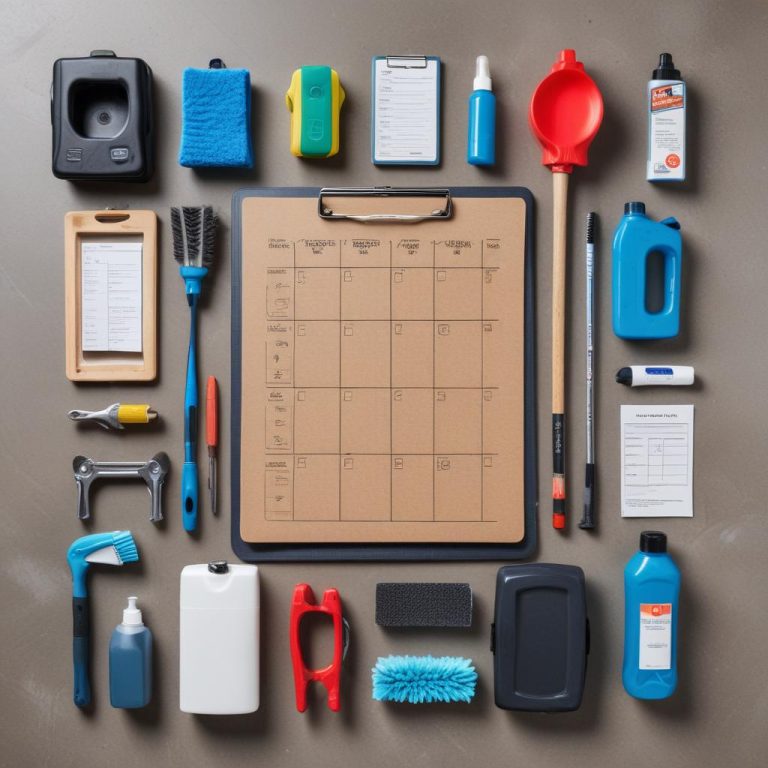
You can buy a pre-made kit or build your own. Here’s what you need.
The Essential Winter Kit (Under $100)
| Item | Product Example | Price | Purpose |
|---|---|---|---|
| Winter shampoo | Zep Blue Marvel (gallon) | $25–30 | Salt-removing concentrate |
| Touchless pre-wash | Winter Touchless Wash Kit | $40–50 | Loosen salt before contact |
| Wheel cleaner | Jimbo’s Pure Magic | $15–20 | Salt and brake dust removal |
| Rinseless wash | Optimum No Rinse (32 oz) | $20–25 | Garage washing in freezing temps |
| Drying towel | Large microfiber (600+ GSM) | $15–20 | Prevent freeze streaks |
| Total | $115–145 |
The Pro-Level Winter Kit (For Enthusiasts)
| Item | Product Example | Price | Purpose |
|---|---|---|---|
| Pressure washer | 1800+ PSI electric | $100–150 | Better rinsing power |
| Undercarriage cleaner | Ridge attachment | $40–60 | Flush salt from below |
| Foam cannon | MATCC or similar | $25–35 | Apply snow foam evenly |
| Winter shampoo (gallon) | Zep Blue Marvel (5 gal) | $120 | Bulk concentrate |
| Ceramic spray protection | Jimbo’s Tough As Shell | $25–35 | Salt barrier |
| Total | $310–400 |
Interesting fact: A gallon of concentrated winter shampoo can last an entire winter of weekly washes. At $25–30, that’s about $1 per week.
Do you have a pressure washer? If yes, add a foam cannon and undercarriage attachment. If no, focus on rinseless wash and touchless pre-wash.
Step-by-Step Winter Wash Using Your Kit
Follow this order. It’s different from summer washing because of the touchless step.
Step 1: Choose Your Location and Time
If it’s above freezing and your hose isn’t frozen, wash outside. If it’s below freezing, wash in a garage with rinseless wash. Never wash outside when the temperature is below 32°F — water will freeze on your car before you can dry it.
Pro tip: If you must wash outside in cold weather, use warm water in your buckets. It’s more comfortable and helps soap work better .
Step 2: Touchless Pre-Wash (Critical Step)
Before anything touches your paint, spray on your touchless pre-wash or snow foam. Let it dwell for 3–5 minutes. This breaks down salt and loosens grit.
How to do it right:
- Use a foam cannon if you have one. If not, a garden sprayer works.
- Apply from bottom to top (this prevents drips on dry paint).
- Let it dwell — don’t rinse immediately. The chemistry needs time .
- Rinse thoroughly with a pressure washer or hose.
Interesting fact: A 3–5 minute dwell time is enough for most pre-washes to break the ionic bond between salt and paint. Rinsing too early wastes the product .
Step 3: Clean Wheels and Tires
Winter wheels need extra attention. Spray wheel cleaner on all wheels, let it dwell (follow label instructions), then scrub with a dedicated wheel brush. Rinse thoroughly.
Don’t forget: The inner barrels of your wheels collect salt and brake dust. Most people only clean the faces. The barrels are where corrosion starts.
Safety reminder: Never use wheel cleaner on your paint. It’s too strong and can stain or etch clear coat.
Step 4: Contact Wash (If Needed)
After the touchless pre-wash, your car should be 80–90% clean. If it still looks dirty, do a contact wash with your winter shampoo and a clean wash mitt.
Use the two-bucket method — one bucket with soapy water, one with plain rinse water. Rinse your mitt after every panel.
Step 5: Rinse Thoroughly — Especially Undercarriage
This is where most home washes fail. You need to rinse salt from underneath the car.
If you have an undercarriage attachment: Roll it under your car and spray for 2–3 minutes, moving slowly.
If you don’t: Use a pressure washer or hose with a wide fan tip. Lie on a creeper or kneel beside the car and spray upward into wheel wells, along frame rails, and around suspension components. It’s awkward but necessary .
Step 6: Dry Immediately
Cold air doesn’t evaporate water well. You might think you can let it air dry — you can’t. Water spots are still a thing in winter.
Use a large microfiber drying towel. Work fast. If it’s below freezing, dry inside a garage.
Step 7: Apply Winter Protection
After washing, apply a spray ceramic or sealant. This creates a slick surface that salt struggles to stick to. Jimbo’s Tough As Shell is designed for winter — spray on, wipe off, buff. It creates a hydrophobic barrier that lasts through multiple salt exposures .
Tip: Apply protection in a garage if possible. Cold panels make some products harder to spread.
Comparison Table: Best Winter Cleaning Products
Real data from manufacturer websites and retailers as of April 2025.
| Product | Type | Best For | Salt Removal | Price Range |
|---|---|---|---|---|
| Zep Blue Marvel | Concentrated shampoo | Professional use, bulk | Excellent | $25–30 (gal), $120 (5 gal) |
| Winter Touchless Wash Kit | Pre-wash + wheel cleaner | Touchless cleaning | Excellent | $40–50 |
| P&S Frostbite | High-pH snow foam | Foam cannon pre-wash | Very Good | $35–45 |
| Optimum No Rinse | Rinseless wash | Garage washing | Good | $20–25 |
| Jimbo’s Super Soaper | Winter shampoo | Foam or bucket wash | Very Good | $15–20 |
| Jimbo’s Pure Magic | Wheel cleaner | Salt and brake dust | Excellent | $15–20 |
| Ridge Undercarriage Cleaner | Pressure washer attachment | Undercarriage flushing | Excellent | $40–60 |
| BigBoi Descaler | Mineral-dissolving shampoo | Salt, hard water, coastal | Excellent | $25–30 |
Rinseless Wash: The No-Hose Winter Solution
If you don’t have a garage or your outdoor spigot is frozen, rinseless wash is your best friend.
How Rinseless Wash Works
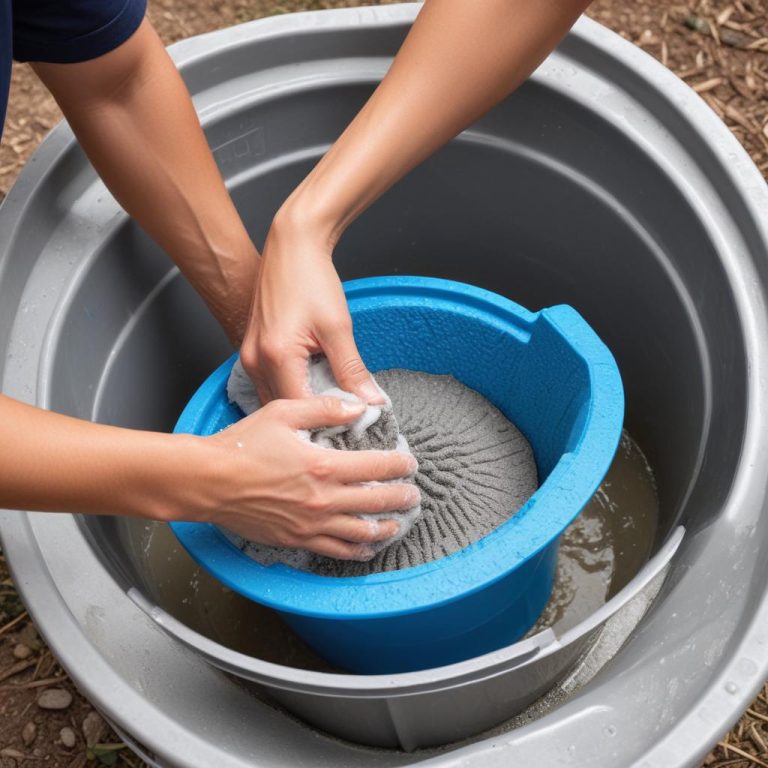
You mix a small amount of product (like Optimum No Rinse) into 2 gallons of water in a bucket. Then you soak several microfiber towels in the solution. Wash one panel with a wet towel, then dry immediately with a dry microfiber. No rinsing. No hose .
The Rinseless Winter Method
- Fill a bucket with 2 gallons of warm water.
- Add the recommended amount of rinseless wash (usually 1 oz).
- Soak 4–6 microfiber towels in the solution.
- Wash one panel with a wet towel — use light pressure, straight lines.
- Dry immediately with a clean, dry microfiber.
- Move to the next panel with a fresh wet towel.
Why it works in winter: You can do this in a garage, a parking garage, or even your living room if you put down a tarp. No hose needed. No freezing water. No salt water running down your driveway .
Interesting fact: A forum user reported using a professional glass cleaner as a surfactant in their rinseless bucket, claiming it worked better than dedicated rinseless products . The key is a product with high lubricity and no foaming.
How Often to Wash in Winter
Salt damage accelerates the longer it sits. Here’s a schedule.
| Driving Conditions | Wash Frequency | Notes |
|---|---|---|
| Daily driver, roads are salted | Weekly | Minimum for paint protection |
| Daily driver, no active salting | Every 2 weeks | |
| Garage kept, occasional driving | Every 2 weeks | |
| After any major snowstorm | Immediately | Salt concentration is highest right after storms |
| Coastal area (salt air, no road salt) | Every 2 weeks | Salt air is also corrosive |
| Undercarriage only | Every 2 weeks | Even if you skip a full wash, rinse underneath |
Safety reminder: Don’t wash when the temperature is below 20°F, even with warm water. Water can freeze in door locks, seams, and behind trim, causing damage when you open doors.
Common Winter Washing Mistakes
Mistake #1: Skipping Washes Because It’s Cold
You don’t want to stand outside in freezing weather. I get it. But skipping winter washes lets salt sit for weeks. That’s when real damage happens.
Fix: Use rinseless wash in your garage. 15 minutes once a week. Your car will thank you.
Mistake #2: Using Regular Car Soap
Regular soap doesn’t have the surfactants to break the salt bond. You’re just diluting the salt, not removing it.
Fix: Buy a winter-specific shampoo. It’s $15–20 and lasts all season.
Mistake #3: Forgetting the Undercarriage
You wash the paint but never rinse underneath. Meanwhile, salt is eating your brake lines.
Fix: Even if you don’t have an undercarriage attachment, kneel down and spray upward into wheel wells and along frame rails. Do this every wash.
Mistake #4: Washing in Direct Sun on a Cold Day
Cold sun is still sun. Water and soap will dry faster than you think, leaving residue.
Fix: Wash in shade or garage. If you must wash outside, work panel by panel.
Mistake #5: Using a Squeegee on Paint
Some winter washing guides suggest a silicone squeegee to dry. Don’t. Squeegees trap grit and scratch paint .
Fix: Use a large microfiber drying towel. Lay it flat and pull. No pressure.
Have you ever skipped a winter wash because it was too cold? Most of us have. But now you know about rinseless wash — no excuses.
Protection: Stopping Salt Before It Sticks
The best defense against salt is a good wax or ceramic coating. Salt struggles to stick to slick surfaces.
Spray Ceramic (Best for Winter)
Spray ceramics like Jimbo’s Tough As Shell are ideal for winter. They’re easy to apply, last 2–4 months, and create a hydrophobic surface that salt can’t easily bond to .
Application: After washing and drying, spray onto a panel, spread with a microfiber, then buff with a dry towel. Takes 15 minutes for a whole car.
Traditional Wax
Paste or liquid wax works too, but it doesn’t last as long in harsh conditions. Plan to reapply every 4–6 weeks.
Ceramic Coating (Professional Only)
A true ceramic coating lasts 2–5 years and makes salt rinse off effortlessly. But it costs $500–2,000 to have applied professionally. Worth it for long-term owners.
Interesting fact: A ceramic coating doesn’t just make salt rinse off — it also makes the car easier to dry and reduces water spotting. In winter, that’s a huge time saver.
FAQ: Winter Car Cleaning Kits and Salt Removal
What’s the best car cleaning kit for winter and salt removal?
A kit with a salt-neutralizing shampoo, touchless pre-wash, wheel cleaner, and large drying towels. Zep Blue Marvel or Jimbo’s Super Soaper are excellent shampoo choices.
How often should I wash my car in winter to prevent salt damage?
Once a week is ideal. Never go more than two weeks without washing during salt season.
Can I use a regular car wash soap for winter salt?
It’s better than nothing, but regular soap won’t break the salt bond effectively. Winter-specific formulas are much more effective.
Is touchless car wash safe for winter?
Touchless automatic washes are better than brush washes, but the high-pressure water can miss hidden salt. A home touchless pre-wash followed by a gentle contact wash is best.
How do I wash my car when the hose is frozen?
Use a rinseless wash product like Optimum No Rinse. Mix with 2 gallons of warm water and wash in your garage.
Do I need an undercarriage cleaner?
Highly recommended if you live in a salt-belt state. Undercarriage rust is expensive to fix. A $40–60 attachment pays for itself quickly.
Can I wash my car when it’s below freezing?
Not outside. Water will freeze on the paint. Use rinseless wash in a garage or wait for temperatures above 32°F.
The Bottom Line: Don’t Let Salt Win
Winter is hard on cars. Salt is the enemy. But with the right cleaning kit and a consistent routine, you can protect your paint, prevent rust, and keep your car looking good even in the worst weather.
You don’t need the most expensive setup. Start with a winter-specific shampoo, a touchless pre-wash, and a commitment to weekly washes. Add an undercarriage cleaner if you live in the salt belt. Use rinseless wash when it’s too cold for a hose.
Your car will last longer. It will look better when spring comes. And you won’t be that person trading in a rusted-out vehicle because you skipped winter washes.
Interesting fact: A car that’s washed weekly during winter can maintain its factory undercoating and clear coat for 10+ years. A car that’s never washed in winter might show significant rust in 3–5 years. Weekly washing isn’t just cosmetic — it’s preservation.
What’s your go-to cleaning method or tool? Share your experience in the comments below.
References: