Common Car Cleaning Kit Mistakes You Should Avoid | Save Time, Protect Your Paint & Get Better Results
There’s nothing more satisfying than seeing your car shine after a proper clean — but if you’re making common kit mistakes, you might be scratching paint, wasting time, or even damaging surfaces without realizing it.
TL;DR: Most car owners grab random rags, harsh soaps, and old sponges thinking they’re saving money. But those common mistakes actually cost you time, hurt your car’s finish, and make cleaning harder. This post breaks down the top car cleaning kit errors — from using dish soap to skipping microfiber — and shows you exactly what to swap in for better, faster, safer results.
Key Takeaways
- Using dish soap strips wax and dries out rubber seals
- One bucket spreads dirt back onto your paint
- Old sponges and towels trap grit that scratches clear coat
- Cleaning in direct sunlight leaves soap spots and streaks
- Skipping wheel and tire tools leaves brake dust to eat away at rims
- Storing dirty tools ruins them fast and contaminates future washes
- A proper car cleaning kit actually saves time and protects resale value
Understanding Cleaning Methods and Tools: Efficiency Meets Results
Let’s be real. Most people’s car cleaning kit is a random bucket from the garage, a sponge that’s seen better days, and whatever dish soap is under the sink. That’s not a kit — that’s a disaster waiting to happen.
Here’s the thing about cleaning a car. It’s not like wiping down your kitchen counters. Car paint is softer than you think. Clear coat scratches easily. And those swirl marks you see under sunlight? Yeah, those come from bad tools and worse habits.
A smart car cleaning kit isn’t about spending a fortune. It’s about having the right stuff and knowing how to use it. Let’s walk through the biggest mistakes so you can avoid them — and get that just-detailed look without the headache.
Using the Wrong Soap (Dish Soap Is Not Your Friend)
Dish soap is amazing for greasy pans. But for your car? Big mistake. Dish soap is designed to cut through grease, which means it strips away wax, sealants, and protective coatings. Your paint ends up bare and vulnerable.
Even worse, dish soap dries out rubber door seals and plastic trim. Over time, that leads to cracking and fading.
What should you use instead? pH-Balanced Cleaners made specifically for cars. They clean gently without stripping protection. A good car shampoo costs around $8–15 at Walmart or Amazon and lasts for months.
Ever wonder why your fresh wax job disappeared after just two washes? Dish soap is usually the culprit.
The One-Bucket Wash Method
You fill one bucket with soapy water. You dip your mitt in. You wash a panel. Then you dip the dirty mitt right back into the clean soap. Congratulations — you just added grit and grime back into your wash water.
That grit gets rubbed into your paint on the next panel. Hello, swirl marks.
The fix is simple and cheap. Use two buckets. One with soapy water. One with plain water for rinsing your mitt after each panel. Even better, add grit guards to the bottom of both buckets. They trap dirt at the bottom so you’re not scooping it up.
Cleaning tip: Dip in the soap bucket, wash a section, rinse the mitt in the rinse bucket, then back to soap. Repeat. Your paint will thank you.
Grabbing Any Old Rag or Sponge
That kitchen sponge? It traps dirt deep inside. Those old cotton towels? They leave lint everywhere. And that rag you’ve been using for engine grease? Please don’t.
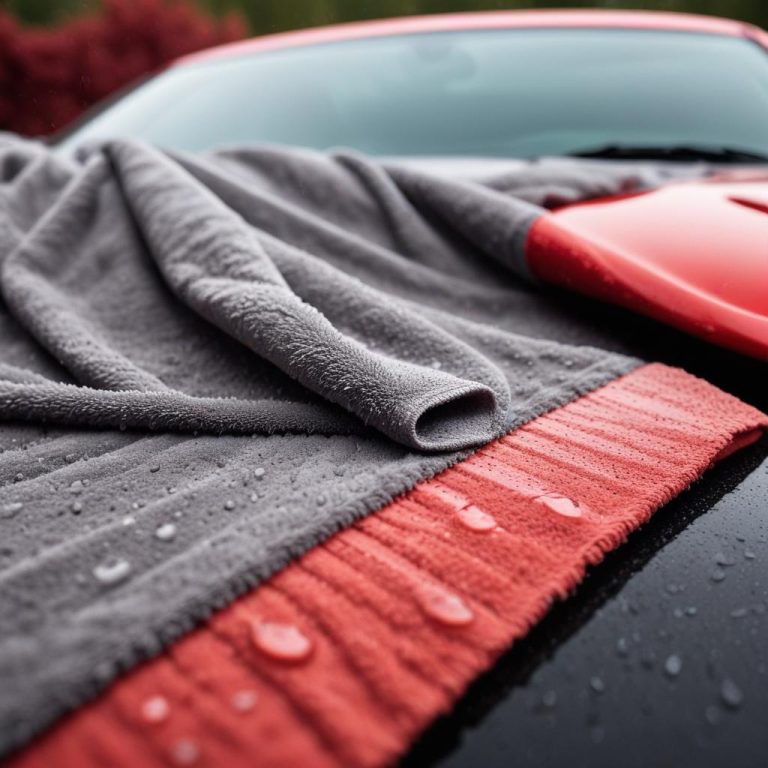
Here’s what belongs in a proper car cleaning kit: Microfiber Cloths. Lots of them. Microfiber lifts dirt away from the paint instead of grinding it in. It absorbs water without scratching. And it works for everything — drying, applying spray wax, cleaning windows, wiping interior surfaces.
Get different colors for different jobs. Blue for glass. Yellow for paint. Green for wheels. That way you never mix up a wheel rag with a paint rag.
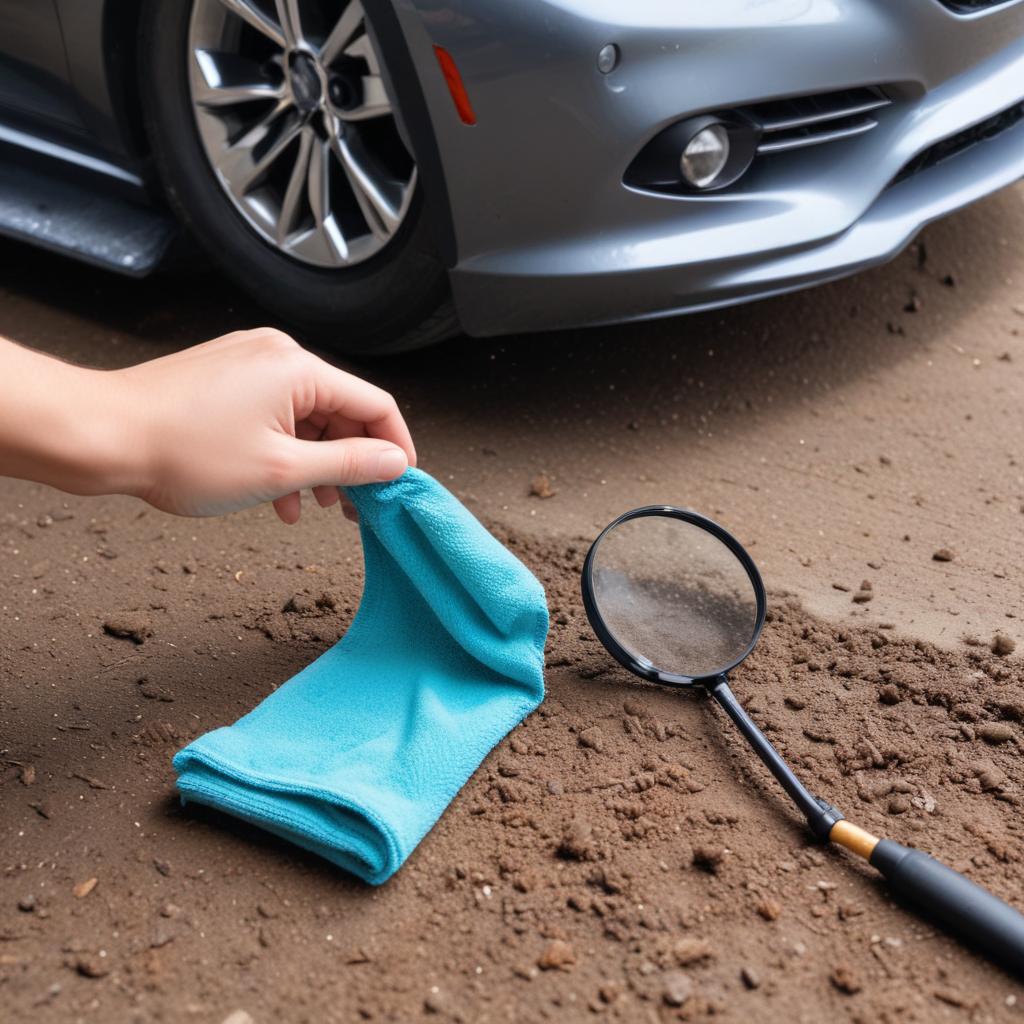
Did you know a single grain of sand trapped in a rag can scratch a line across your entire hood? Microfiber helps prevent that.
Skipping the Two-Bucket System Completely
We touched on this, but it’s worth repeating. The two-bucket method is the single biggest upgrade you can make to your car cleaning routine. No fancy equipment needed. Just an extra bucket from Home Depot for about $5.
Professional detailers don’t skip this. Neither should you.
So why does this matter so much? Because dirt is abrasive. When you wash without rinsing your mitt, you’re basically sanding your paint with every pass. The two-bucket system cuts down on that dramatically.
Here’s a question to think about: Would you wash your face with a rag that just wiped down a dirty floor? Then why do that to your car’s paint?
Cleaning in Direct Sunlight
You see a sunny Saturday and think, “Perfect day to wash the car.” But that sun is working against you.
Heat makes water and soap dry crazy fast. Before you can rinse a panel, you’ve got dried soap spots and water marks baked onto the paint. Those spots can be hard to remove and might even etch into the clear coat if left too long.
The better move? Wash in the morning or evening when the paint is cool to the touch. Or find some shade. If you have to wash in sun, work panel by panel and rinse immediately.
Safety reminder: Never let soap or detail spray dry on hot paint. It leaves behind residue that’s a pain to buff off.
Forgetting the Wheels and Tires
Wheels get the dirtiest but often get cleaned last — or not at all. Brake dust is no joke. It’s made of metal particles that can bond to your rims and eat into the finish over time.
Most people skip proper wheel tools in their car cleaning kit. That’s a mistake.
You need a separate Scrub Brush for wheels — one that won’t scratch. You also need a dedicated wheel cleaner that’s safe for your specific rim type (painted, chrome, or bare metal). And don’t use the same bucket or mitt for wheels that you use for paint. Cross-contamination ruins your finish fast.
Clean wheels first, then rinse, then move to the body. That way any splashed dirt gets washed away before you start on the paint.
Quick test: Run your finger inside your wheel rim. Feel that gritty black dust? That’s brake dust eating into your clear coat every day you leave it there.
Using Too Much Product
More soap doesn’t mean more clean. In fact, using too much car shampoo leaves behind a sticky residue that’s hard to rinse off. That residue attracts more dirt later.
Same goes for tire shine, interior dressings, and wax. Thick, goopy layers don’t work better. They just get messy and attract dust.
Follow the label directions. Most car soaps only need an ounce or two per gallon of water. Tire shine needs a light mist, not a flood. And wax? Thin, even layers are all you need.
Cleaning fact: A little product goes a long way. Most people use three times more than necessary, which wastes money and creates more work.
Storing Your Cleaning Kit Wrong
You finish washing. You toss your wet microfiber towels in a pile on the garage floor. You leave the bucket with leftover soap sitting there. Next time you go to clean, everything smells musty and the towels feel rough.
Wet, dirty storage ruins your tools fast. Microfiber that stays damp grows bacteria and loses its softness. Sponges and brushes collect dust and grit. And that leftover soap? It separates and becomes less effective.
Here’s the right way. After every wash, rinse everything thoroughly. Wash microfiber towels in the washing machine with no fabric softener. Air dry them or use low heat. Store brushes and mitts where they won’t collect dust. And always dry your buckets before stacking them.
Safety reminder: Never wash oily or greasy rags with your microfiber towels. The residue transfers and ruins the microfiber’s ability to trap dirt.
Ignoring Interior Tools
A car cleaning kit isn’t just for the outside. Your interior needs love too, but most people use household cleaners that damage dashboards and leave streaks on screens.
Common mistakes include using glass cleaner on the touchscreen (it damages the coating), using armor-all style dressings that make the dashboard dangerously slippery, and vacuuming without crevice tools so crumbs stay trapped in seat cracks.
Build a separate interior kit. Include soft Vacuum Cleaner attachments, Glass Cleaners that are ammonia-free, Disinfectant Sprays safe for car surfaces, and Odor Eliminators that don’t just mask smells with fake pine.
Did you know that direct sunlight on a greasy dashboard creates glare that can blind you while driving? Matte finishes are actually safer.
Skipping the Drying Step
Some people wash their car and then just… let it air dry. Big mistake. Air drying leaves water spots. Hard water contains minerals that etch into paint when the water evaporates.
You need to dry your car. Use a large, soft Microfiber Cloth or a dedicated drying towel. Start from the top and work down. Pat dry rather than rubbing to avoid scratches.
For an even faster dry, use a spray wax or quick detailer while the car is still wet. It adds a layer of protection and helps water sheet off so drying takes half the time.
Here’s a question: Have you ever noticed white spots on your windows after a rain? That’s mineral buildup from hard water air-drying. Drying your car prevents that.
Timeline: How Car Cleaning Has Evolved
Let’s take a quick look at how far car cleaning has come. Understanding this helps you appreciate why modern tools work better — and why old-school methods often cause damage.
| Period | What People Used | The Problem |
|---|---|---|
| 1900s | Rags, brushes, plain water | No protection, scratched paint easily |
| 1950s | Harsh detergents, cotton towels | Stripped wax, left lint and swirls |
| 1980s | Sponges, chamois leather, basic car soap | Sponges trapped grit, chamois wasn’t absorbent |
| 2000s | Microfiber arrives, pH-balanced soaps | Finally safer for paint |
| 2010s | Two-bucket method, grit guards, spray waxes | Big leap in scratch prevention |
| 2020–2025 | Ceramic sprays, foam cannons, waterless washes | Faster, safer, longer-lasting protection |
Manual Cleaning vs Modern Tools: Which One Saves More Time?
Let’s compare old-school methods to a proper car cleaning kit. The difference in time, effort, and results is huge.
| Cleaning Method | Time Spent | Risk of Damage | Ease of Use | Final Result |
|---|---|---|---|---|
| Dish soap + sponge | 45 minutes | High (scratches, stripped wax) | Easy but harmful | Dull, swirled paint |
| Basic car soap + one bucket | 40 minutes | Medium | Easy | Better but still has swirls |
| Two-bucket + microfiber mitt | 50 minutes | Low | Moderate | Clean, minimal swirls |
| Foam cannon + pressure washer | 30 minutes | Very low | Easy (with equipment) | Professional-grade shine |
| Waterless wash spray | 25 minutes | Low (if done right) | Very easy | Good for light dust, not mud |
Real talk: A foam cannon and Pressure Washer seem fancy, but you can get one for $80–150 at Lowe’s or Home Depot. It cuts wash time in half and dramatically reduces scratching because you’re barely touching the paint.
Real Product Data: What to Buy and Where
Based on current prices from major retailers (Amazon, Walmart, Home Depot, Target, Lowe’s, Best Buy), here’s what a smart car cleaning kit actually costs.
| Product Type | Best For | Ease of Use | Key Feature | Price Range |
|---|---|---|---|---|
| Microfiber cloths (12-pack) | Drying, waxing, glass | Very easy | Lint-free, washable | $10–20 |
| pH-balanced car soap | Paint-safe washing | Easy | Won’t strip wax | $8–15 |
| Two-bucket kit with grit guards | Scratch prevention | Moderate | Traps dirt at bottom | $25–40 |
| Wheel brush set | Cleaning rims and calipers | Easy | Soft bristles, long handle | $15–25 |
| Glass cleaner (ammonia-free) | Streak-free windows | Very easy | Safe for tinted windows | $5–10 |
| Interior detailer wipes | Dash, doors, console | Very easy | No greasy residue | $6–12 |
| Spray wax or ceramic spray | Quick protection | Very easy | Adds shine in 5 minutes | $10–20 |
| Vacuum crevice tool kit | Tight interior spaces | Easy | Reaches between seats | $8–15 |
Prices checked April 2026. Most items available at Walmart, Amazon, or Target with free shipping on orders over $35.
How a Proper Car Cleaning Kit Transforms Your Results
Let me paint you a picture. You buy the right stuff. You learn the right methods. Now what changes?
First, washing takes less time because you’re not fighting dried soap spots or re-washing panels. Second, your paint stays glossy instead of turning dull and swirled. Third, you actually enjoy washing your car instead of dreading the mess.
Here’s what a good (car cleaning kit) should include as a baseline:
- Two buckets (Home Depot, $5 each)
- Two grit guards (Amazon, $10 each)
- Three or four microfiber wash mitts
- At least 12 microfiber towels in different colors
- pH-balanced car shampoo
- Wheel cleaner and a separate brush
- Glass cleaner (ammonia-free)
- Interior cleaner or wipes
- Spray wax or ceramic quick detailer
That whole setup costs around $75–100. Compare that to paying $40–60 for a basic hand wash at a car wash. Your kit pays for itself after two or three washes.
Cleaning fact: A properly maintained car with a good wax or sealant repels dirt better, so each wash gets faster and easier over time.
“Using the right cleaning tools can cut cleaning time in half while improving results. Most swirl marks come from bad technique, not old paint.” — Mike Phillips, Professional Detailer
FAQ: Common Car Cleaning Kit Questions
What’s the biggest mistake people make with their car cleaning kit?
Using dish soap and old sponges. Dish soap strips wax, and sponges trap grit that scratches paint.
How often should I replace my microfiber cloths?
Replace them every 30–50 washes or when they feel rough or no longer absorb water well.
Are expensive car cleaning kits worth it?
No. A basic $75 kit with quality microfiber and pH-balanced soap works as well as $200 kits. Focus on tools, not brands.
Can I use vinegar to clean car windows?
Yes, diluted vinegar works, but it smells strong and won’t cut heavy grime. Use ammonia-free glass cleaner instead.
What’s the best way to dry a car without scratching?
Use a large microfiber drying towel. Pat or drag lightly, never rub. Add a spray wax as you dry for extra slip.
Do I really need a separate brush for wheels?
Yes. Wheel brushes keep brake dust away from your paint mitts. Cross-contamination ruins your clear coat fast.
How do I store my car cleaning kit between washes?
Rinse and dry everything. Wash microfiber separately with no softener. Store brushes in a clean bin, not on the floor.
Final Thoughts: Small Changes, Big Results
Look, nobody’s perfect. Most of us learned car cleaning from our parents or YouTube videos. And that’s fine. But now you know better.
The difference between a frustrating, scratch-inducing wash and a quick, safe, glossy finish isn’t expensive equipment. It’s small changes. Two buckets instead of one. Microfiber instead of old rags. Car soap instead of dish liquid. And taking ten extra minutes to dry the car properly.
Your car is probably the second most expensive thing you own, right after your house. Protecting that paint protects your resale value. And honestly? Driving a clean car just feels better.
So take a look at your current car cleaning kit. What needs to go? What needs to be added? Fix those mistakes now, and your next wash will be faster, safer, and way more satisfying.
What’s your go-to cleaning method or tool? Share your experience in the comments below.
References: