Car Cleaning Kit for Dust and Sand Removal | Get Every Grain Out Without Scratching Your Paint
You take a drive down a dirt road, hit the beach for the weekend, or just park near a construction zone. Suddenly your car is coated in a layer of fine dust or gritty sand. You grab a rag to wipe it off, and that’s when the damage happens. That harmless-looking dust? It’s like sandpaper on your paint.
TL;DR: Dust and sand are abrasive. Wiping them with a dry towel destroys your clear coat. You need a specialized car cleaning kit with the right tools — microfiber dusters, waterless washes, compressed air, and vacuum attachments — to remove particles without grinding them in. This guide covers exactly how to get rid of every speck of dust and sand safely, inside and out.
Key Takeaways
- Never wipe dry dust or sand — always use lubrication or a duster that lifts particles
- Fine dust scratches paint just as badly as coarse sand when dragged
- Compressed air and blowers remove dust from cracks without touching
- A separate interior dust kit prevents cross-contamination
- Vacuum before wiping any interior surface
- Sand hides everywhere — floor mats, seat tracks, cup holders, door pockets
- A proper dust removal kit costs $50–80 and prevents paint damage
Understanding Why Dust and Sand Are Dangerous
Here’s the thing about dust and sand. They’re made of tiny, hard particles. Sometimes it’s ground-up rock. Sometimes it’s silica. Sometimes it’s just really fine dirt. But all of it is abrasive.
When you wipe a dry microfiber towel over dusty paint, those particles get trapped between the towel and the clear coat. Then you drag them across the surface. Each grain leaves a micro-scratch. Do this a few times and your paint looks dull and hazy.
Sand is even worse. Sand grains are larger and sharper. One pass with a dirty rag can leave visible scratches that go right through the clear coat.
The key to safe dust and sand removal is simple. Lift the particles away instead of dragging them across the surface. Or better yet, remove them without touching the paint at all.
Ever wonder why desert states have so many cars with hazy, faded paint? It’s not just the sun. It’s fine dust being wiped off over and over again.
Dust vs Sand: Different Problems, Different Tools
Dust is light and floats. It settles everywhere — on paint, in vents, on dashboards, behind trim panels. It gets into places you can’t reach with a towel.
Sand is heavy and gritty. It sits in floor mats, carpet fibers, seat tracks, and door jambs. It grinds into fabric and scratches plastic panels when you wipe.
You need different tools for each. A car cleaning kit for dust and sand removal isn’t one-size-fits-all. Let me break down exactly what works for each type of particle.
Here’s a question: Have you ever vacuumed your car, wiped everything down, and then found sand in your seat tracks a week later? That’s because sand hides. You need the right tools to get it out.
Timeline: How Dust and Sand Removal Has Changed
| Period | Method | Problem |
|---|---|---|
| 1900s | Feather duster and rag | Dusters just moved dust around. Rags scratched. |
| 1950s | Waterless wipe with cotton cloth | No lubrication. Cotton scratched clear coat badly. |
| 1980s | Car duster with paraffin wax | Better, but wax built up and streaked windows. |
| 2000s | Microfiber and spray detailer | Big improvement. Lubrication helped, but still risk. |
| 2010s | California duster and compressed air | Dusters lifted dust. Air got into cracks. |
| 2020–2025 | Waterless washes, foam cannons, vacuum blowers | Almost touchless. Safe for paint and interiors. |
The Dust and Sand Removal Kit: What You Actually Need
Let me walk you through exactly what belongs in a car cleaning kit focused on dust and sand. Prices are real from Amazon, Walmart, Home Depot, and Target as of April 2026.
| Product Type | Purpose | Price Range |
|---|---|---|
| Microfiber duster (wax-impregnated) | Lifts dust from paint without scratching | $15–25 |
| Waterless car wash spray | Lubricates dust so you can wipe safely | $10–15 |
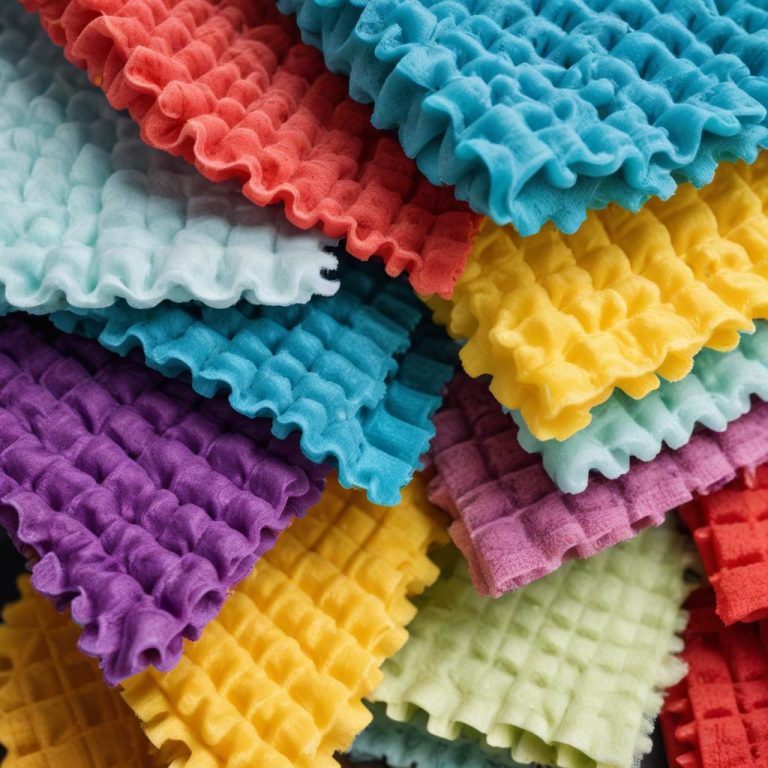
| High-GSM microfiber towels (6–8) | Traps dust and sand in fibers, not against paint | $15–20 |
| Compressed air canister or small blower | Blows dust out of cracks, vents, and trim | $10–30 |
| Detail brush set (soft bristles) | Sweeps dust from vents, buttons, and crevices | $8–15 |
| Vacuum with crevice tool and brush attachment | Removes sand from carpets, seats, and floor mats | Already owned |
| Rubber or silicone pet hair brush | Lifts sand and dust from carpet fibers | $5–10 |
| Foam cannon (optional) | Removes exterior dust without any contact | $25–50 |
Prices checked April 2026. Most items available at Walmart, Amazon, or AutoZone.
The California Duster: Worth the Hype?
You’ve probably seen the California Car Duster. It’s a microfiber mop with paraffin wax infused into the fibers. The idea is that the wax attracts dust, and the fibers lift it off the paint without scratching.
Does it work? Yes — for light, dry dust. Use it before the dust has been baked on by the sun or wetted by morning dew. Glide it lightly over the surface. Don’t press down. Don’t scrub.
But here’s the catch. It only works for very light dust. If your car has sand, mud, or heavy grime, don’t use it. You’ll just drag those particles around.
Safety reminder: Never use a duster on wet paint, hot paint, or paint with heavy contamination. The wax can streak, and the fibers can trap grit.
Exterior Dust and Sand Removal: Step by Step
Let me walk you through the exact process for getting dust and sand off your car’s exterior without causing damage.
For Light Dust (The Quick Clean)
Your car has a thin layer of dry dust. No sand. No mud. No bird droppings.
- Use a microfiber duster. Glide it lightly over the surface in straight lines. Don’t press. Let the fibers do the work.
- For remaining dust, spray Waterless Car Wash on one panel at a time.
- Fold a clean microfiber towel into quarters. Wipe gently in straight lines. Flip to a clean side often.
- Buff with a dry microfiber towel.
Cleaning tip: Never use a duster on a car that’s been driven in the rain. Road spray contains oil and grime that the duster will smear.
For Heavy Dust or Sand (The Safe Wash)
Your car has a visible layer of dust, sand, or both. Don’t touch it with anything dry.
- Rinse the car thoroughly with a hose or pressure washer. Start at the roof and work down. Let water run for several minutes to carry away loose particles.
- If you have a foam cannon, cover the car in thick foam. Let it dwell for 5 minutes. The foam lifts dust and sand off the paint.
- Rinse again thoroughly.
- Now you can do a traditional two-bucket wash with a microfiber mitt and pH-Balanced Cleaners.
- Dry with a blower or high-GSM microfiber towels.
Here’s a question: Why would you scrub dry sand into your paint when 60 seconds with a hose removes most of it first?
For Dust in Cracks and Crevices
Dust loves hiding in emblems, door handles, mirror gaps, and panel seams. A towel can’t reach in there.
Use compressed air or a small blower. Blast air at an angle, not straight into the gap. The dust will fly out. Then wipe the surrounding area with a damp microfiber.
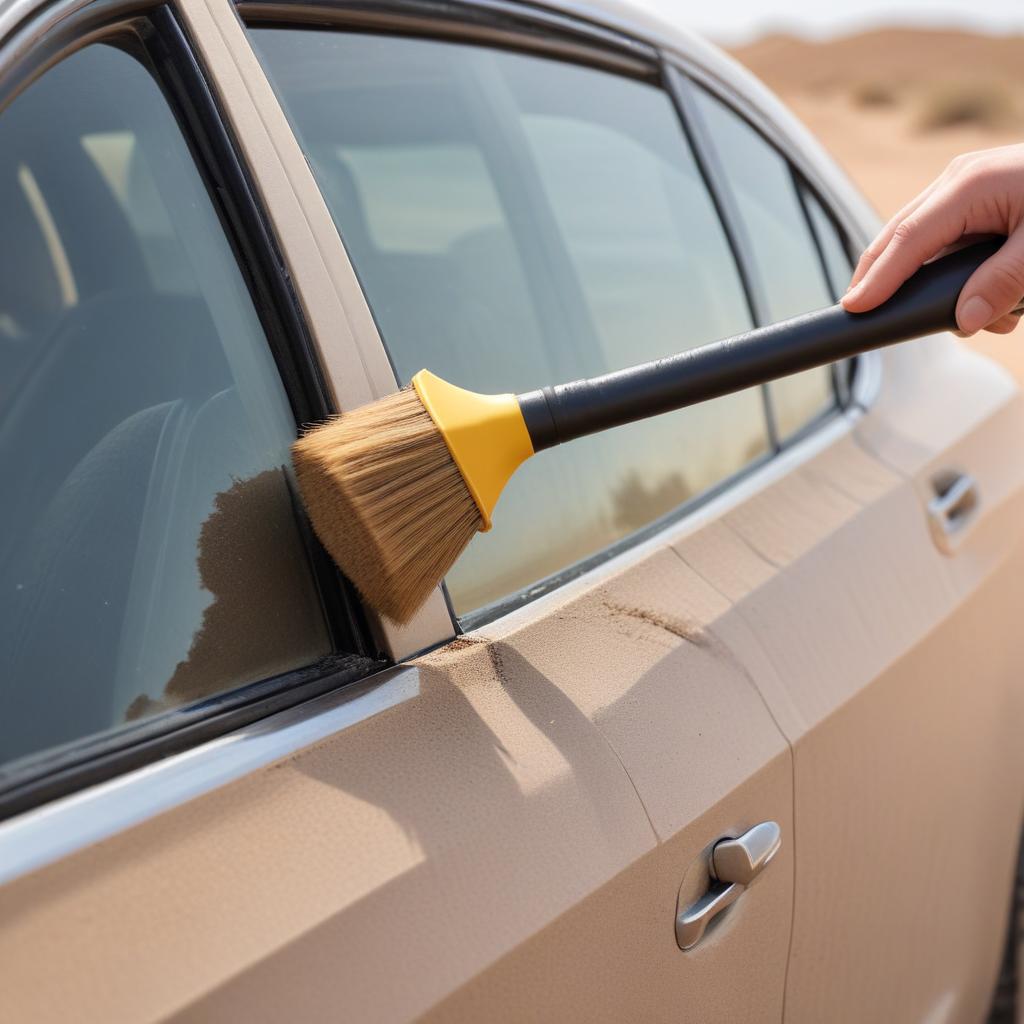
For tight spots around emblems, use a soft detail brush to sweep dust out, then blast with air.
Did you know that dust trapped in door jambs turns into a gritty paste when it gets wet? That paste scratches your door seals and paint every time you open and close the door.
Interior Dust and Sand Removal: Step by Step
Interior dust and sand are different beasts. Sand grinds into carpet fibers. Dust settles into every crack and vent. And once sand is in your seat tracks, it makes an awful grinding noise every time you move the seat.
Step 1: Remove Everything
Take out floor mats. Empty cup holders. Remove items from door pockets and the center console. Shake floor mats outside — bang them against a wall or tree to get sand out.
Step 2: Vacuum Like a Pro
Use your Vacuum Cleaner with a crevice tool. Start with the floor. Go in multiple directions — forward, backward, sideways — to lift sand from carpet fibers. A rubber pet hair brush helps pull sand up before vacuuming.
Vacuum seat tracks thoroughly. Sand hides in those rails. Move the seat forward and backward to expose different areas.
Vacuum under seats. Vacuum between the seat and center console. Vacuum the crevices of the seats themselves.
Step 3: Blow Out Dust
Use compressed air or a blower on vents, gauge clusters, button panels, and around the shifter. Dust will fly out. Then vacuum again to catch what you blew loose.
For vents, use a soft detail brush to sweep dust toward the opening, then blow it out.
Safety reminder: When using compressed air indoors, open your car doors. Dust goes everywhere. Wear a mask if you have allergies or asthma.
Step 4: Wipe Down Surfaces
Now that the loose dust and sand are gone, you can wipe surfaces. Use a damp microfiber towel with All-Purpose Cleaner diluted correctly (10:1 for interiors). Wipe dash, doors, console, and trim.
For screens and glossy plastic, use a separate dry microfiber to buff away streaks.
Step 5: Clean Floor Mats
Rubber mats: Spray with water and scrub with a brush. Let dry completely before putting back.
Carpet mats: Vacuum thoroughly. For deep sand, pressure wash or hose down and let dry in the sun for a full day.
Cleaning tip: Sand hides in the edges of carpet mats. Fold the mat over and bang the edge against the ground. You’ll be shocked how much falls out.
Comparison: Dust Removal Methods Ranked by Safety
Let me rank different dust removal methods from safest to most dangerous for your paint.
| Method | Safety Level | Best For | Risk |
|---|---|---|---|
| Foam cannon + rinse | Safest | Heavy dust or sand | None — no contact |
| Waterless wash with microfiber | Very safe | Light to moderate dust | Low if done correctly |
| Microfiber duster | Safe | Very light, dry dust | Low — don’t press hard |
| Compressed air + rinse | Safe | Dust in cracks | None for paint |
| Dry microfiber towel | Risky | Nothing — avoid | High — drags dust |
| Feather duster | Very risky | Nothing — avoid | High — just moves dust |
| Dry rag or paper towel | Extremely risky | Never | Severe scratching |
The safest method is always touchless. When you must touch, use plenty of lubrication and fresh microfiber.
“Dust is the enemy of clear coat. I’d rather see a car stay dusty for a week than get wiped down dry once. That single dry wipe does more damage than seven days of dust sitting on the paint.” — Kevin Brown, Paint Correction Specialist
Special Considerations for Beach Sand
Beach sand is the worst. It’s often mixed with salt, which attracts moisture and promotes rust. And beach sand gets everywhere — in your carpet, under your seats, in your door panels, in your trunk.
Here’s a beach-specific routine.
Immediately After the Beach
Shake out floor mats at the beach before you drive home. Open all doors and brush sand off seats and carpet. The sooner you remove sand, the less it grinds in.
When You Get Home
Vacuum thoroughly. Then vacuum again. Use a rubber brush to pull sand from carpet fibers. Blow out seat tracks with compressed air. Wipe down vinyl and plastic with a damp microfiber — sand sticks to surfaces, and wiping dry just moves it around.
Don’t Forget the Trunk
Beach chairs, coolers, and bags bring sand into your trunk. Vacuum the trunk carpet. Wipe down the trunk floor and sides. Check the spare tire well — sand collects there too.
Here’s a question: Have you ever found sand in your car months after a beach trip? That’s because it gets into seat cushion foam and works its way out slowly. Multiple deep cleanings are the only solution.
Common Dust and Sand Removal Mistakes
Let me list the mistakes that ruin paint and interiors. Avoid these and your car stays scratch-free.
Using Paper Towels
Paper towels are abrasive. They leave lint and micro-scratches on everything. Never use them on paint, glass, or interior screens.
Wiping Dry Dust
We’ve said it before, but it bears repeating. Dry dust = sandpaper. Always use lubrication or a proper duster.
Forgetting the Door Jambs
Dust and sand collect in door jambs. When you close the door, that grit presses against your paint. Wipe jambs with a damp microfiber every wash.
Using the Same Towel Inside and Out
Interior dust is different from exterior dust. Interior dust often contains skin cells, food particles, and fabric fibers. Exterior dust contains road grime and brake dust. Keep towels separate.
Skipping the Crevice Tool
Your vacuum’s wide floor head won’t reach sand in seat tracks or under seat bolts. Use the crevice tool. It takes an extra two minutes and makes a huge difference.
Did you know that sand in seat tracks can actually damage the seat mechanism over time? It grinds down plastic bushings and metal slides. Regular cleaning prevents expensive repairs.
The Complete Dust and Sand Kit: What It Costs
Let me total up a complete car cleaning kit focused on dust and sand removal. Prices are real.
| Item | Price Range | Where to Buy |
|---|---|---|
| Microfiber duster | $15–25 | Amazon, Walmart |
| Waterless car wash spray (32 oz) | $10–15 | Amazon, AutoZone |
| High-GSM microfiber towels (6 pack) | $15–20 | Amazon, Target |
| Compressed air (3 pack) | $10–15 | Home Depot, Best Buy |
| Detail brush set (3–4 brushes) | $8–15 | Amazon, Walmart |
| Rubber pet hair brush | $5–10 | Amazon, Target |
| Crevice tool for vacuum | $5–10 (if not included) | Home Depot, Lowe’s |
| Total | $68–110 |
Realistic starter kit total: about $75. That’s less than one professional interior and exterior detail. And you can use this kit dozens of times.
Cleaning tip: Buy compressed air in bulk from a warehouse store. It’s half the price of buying single cans. Or invest in a small electric blower for $30–40 — it pays for itself after a few uses.
How to Store Your Dust and Sand Kit
Keep your dust removal tools separate from your wet wash tools. Here’s why. Dust tools collect dry particles. Wet wash tools are damp and soapy. Mixing them creates mud.
Use a small crate or tote for your dust and sand kit. Keep it in your garage or apartment closet. Throw a few microfiber towels, your duster, waterless wash spray, detail brushes, and compressed air in there.
Keep your vacuum crevice tool with your vacuum, not in the crate. You’ll grab it when you grab the vacuum anyway.
Safety reminder: Don’t store compressed air cans in hot cars. They can burst. Room temperature storage only.
FAQ: Car Cleaning Kit for Dust and Sand Removal
Can I just use a leaf blower to remove dust from my car?
Yes, for exterior dust. A leaf blower removes loose dust without touching the paint. Use an electric blower — gas blowers can spit oil.
Is the California Duster safe for black paint?
Yes for light dust, no for heavy dust. Glide lightly. Never press. And never use it on a hot car or after rain.
How do I get sand out of deep carpet fibers?
Use a rubber pet hair brush to pull sand up, then vacuum. Repeat from different directions. Sand hides deep.
What’s the best waterless wash for dusty cars?
Look for one with lubricants and wax. Brands like Meguiar’s, Chemical Guys, and Aero Cosmetics make good options. Avoid cheap detailers that evaporate too fast.
Can I use a duster on my dashboard?
Yes, but use a soft microfiber duster, not the wax-impregnated one meant for paint. The wax can leave residue on plastic.
How often should I deep clean sand from my car?
After every beach trip or off-road drive. Sand left in carpets grinds into fibers and becomes harder to remove over time.
Is it safe to use compressed air on car electronics?
Yes, but hold the can upright. Tipping it can release liquid propellant. Keep the nozzle several inches away from screens and buttons.
Final Thoughts: Dust and Sand Don’t Have to Be Scary
Look, dust and sand are everywhere. You can’t avoid them. But you can learn to remove them safely. The key is simple. Lift, don’t drag. Lubricate, don’t wipe dry. And use the right tool for each job.
A dedicated car cleaning kit for dust and sand doesn’t need to be huge or expensive. A duster, waterless wash, good microfiber towels, compressed air, a few brushes, and your vacuum. That’s it. That’s all you need to keep every grain from scratching your paint or grinding into your carpet.
The next time you come home from a dusty drive or a beach weekend, you’ll know exactly what to do. No panic. No grabbing the nearest rag. Just a calm, methodical process that leaves your car spotless and scratch-free.
Your paint will thank you. Your carpet will thank you. And your future self — the one who doesn’t have to pay for paint correction or seat track repair — will thank you too.
What’s your trick for getting sand out of hard-to-reach places? Share your method in the comments below.
References: