What Not to Do When Cleaning Your Car at Home | Avoid These 12 Costly Mistakes That Ruin Paint and Interiors
You spend an hour washing your car, step back to admire your work, and in the sunlight you see a nightmare of swirl marks, scratches, and water spots — and you have no idea what you did wrong.
That’s the worst feeling. You tried to do the right thing. You wanted to save money and take care of your car. But somewhere along the way, a simple mistake turned your good intentions into permanent damage. The good news is that almost every common car cleaning mistake is easy to avoid once you know what to look for. This guide walks you through the 12 most damaging things people do when cleaning their cars at home — and exactly how to fix each one.
TL;DR
Never wash your car in direct sunlight, use dish soap, or dry with bath towels. Don’t use one bucket — you need two. Never let any cleaner dry on the surface. Don’t spray cleaner directly onto electronics or touchscreens. Never use the same towel for wheels and paint. Don’t forget to clean your microfiber towels without fabric softener. Never scrub bird droppings — soak them first. Don’t use paper towels on paint or glass. Avoid automatic brush car washes. Never apply wax on a hot car. Don’t neglect the undercarriage in winter. And never store wet towels or mitts in a sealed container.
Key Takeaways
- Dish soap strips wax and damages rubber seals — use only car shampoo.
- One bucket spreads dirt and causes swirl marks — always use two.
- Bath towels and paper towels scratch paint — use only microfiber.
- Drying is not optional — air drying leaves permanent water spots.
- Never spray cleaner directly onto screens or buttons — spray the towel first.
- Bird droppings need soaking, not scrubbing — otherwise you scratch the paint.
Understanding Why Good Intentions Go Wrong
Here’s the thing about car cleaning — most mistakes come from using household habits on a car. You wash dishes with dish soap and a sponge. You dry your hands with a cotton towel. You clean kitchen counters by spraying cleaner directly on the surface. Those habits work fine in your house. On your car, they cause damage.
Interesting fact: The clear coat on your car is only about 1.5 to 2 mils thick — thinner than a Post-it note. A single mistake with an abrasive towel or harsh chemical can remove measurable amounts of that protection.
Think about what’s different about a car. The paint is soft and exposed. The electronics are sensitive to moisture. The plastics can be stained by strong chemicals. Your car lives outside in sun, salt, and bird droppings. It needs different care than your kitchen counter.
So ask yourself: How many of your car cleaning habits came from cleaning your house? Probably more than you realize.
The 12 Worst Car Cleaning Mistakes (And How to Fix Them)
Let me walk you through the most common and damaging mistakes I see people make.
Mistake #1: Washing in Direct Sunlight
You have a sunny Saturday. Perfect day to wash the car, right? Wrong. Direct sunlight is the enemy of a good car wash.
Why it’s bad: Sunlight heats your car’s surface to 120–170°F. Water evaporates in seconds. Soap dries in minutes. You end up with baked-on soap residue and hard water spots that are difficult to remove. Dried soap can also leave a white, powdery film that requires polishing to remove.
The damage: Water spots that etch into clear coat. Soap residue that dulls paint. Wasted product that dries before it can work.
The fix: Wash in the shade. Early morning (before 9am) or late evening (after 5pm) works. Cloudy days are perfect. If you have no shade and no choice, work one panel at a time — wash a panel, rinse it immediately, dry it immediately. Then move to the next panel.
Interesting fact: A dark-colored car in summer sun can reach 170°F. That’s hot enough to cook an egg on the hood. It will definitely bake soap onto your paint.
Safety reminder: Never wash a car that’s hot to the touch. Let it cool in the shade for 30 minutes first. Hot paint can make some cleaning products react unpredictably or dry too fast to be effective.
Mistake #2: Using Dish Soap as Car Shampoo
Dish soap cuts through grease on your plates. That seems perfect for car grime, right? Wrong again.
Why it’s bad: Dish soap is a degreaser. It strips away wax, sealants, and the natural oils in rubber and plastic trim. Over time, it can dry out window seals and cause them to crack. Dish soap is also too alkaline for automotive clear coat, potentially causing long-term dulling.
The damage: Stripped wax means no protection. Dried-out rubber seals can leak or let in wind noise. Dull, faded trim. Your paint becomes vulnerable to UV damage and bird droppings.
The fix: Use a proper car shampoo. It’s pH-balanced for automotive paint and contains lubricants that help dirt slide off without scratching. A $10–15 bottle of concentrated car shampoo lasts for months.
Interesting fact: Dish soap was originally formulated to remove grease from dishes — something you want to happen. On your car, you want to remove dirt while leaving protective wax behind. Different job, different chemical.
Do you use dish soap because you think it’s just as good? It’s not. Buy car shampoo.
Mistake #3: Using One Bucket
You fill one bucket with soapy water. You dip your mitt. You wash a panel. You dip the dirty mitt back into the same bucket. Congratulations — you’re now rubbing dirt and grit all over your car.
Why it’s bad: Every time you put a dirty mitt back into your soapy water, you contaminate the entire bucket. That water now contains abrasive grit that will scratch your paint when you dip the mitt again. You’re essentially washing your car with dirty water.
The damage: Swirl marks. Fine scratches. Spiderwebs in the paint that are visible in sunlight. Over time, the clear coat becomes hazy and dull.
The fix: Use two buckets. One bucket holds your soapy water. The second bucket holds plain water for rinsing your mitt. After each panel, dip the dirty mitt into the rinse bucket, swish to release dirt, squeeze, then dip into the soapy bucket. Your soap stays clean. Your paint stays scratch-free.
Interesting fact: The two-bucket method can reduce swirl marks by 80–90% compared to single-bucket washing. It’s the single biggest improvement you can make to your wash technique.
Mistake #4: Drying with Bath Towels or Paper Towels
You finish washing. You grab a soft bath towel from the linen closet. It feels soft on your skin. It must be safe for paint, right? No.
Why it’s bad: Cotton bath towels have thick, stiff fibers that are abrasive at a microscopic level. Even brand new, high-quality bath towels will leave fine scratches in clear coat. Paper towels contain wood fibers and adhesives that scratch instantly. Old t-shirts have hardened detergent residue.
The damage: Micro-scratches that build up over time. Dull, hazy paint. Swirl marks that are especially visible on dark-colored cars.
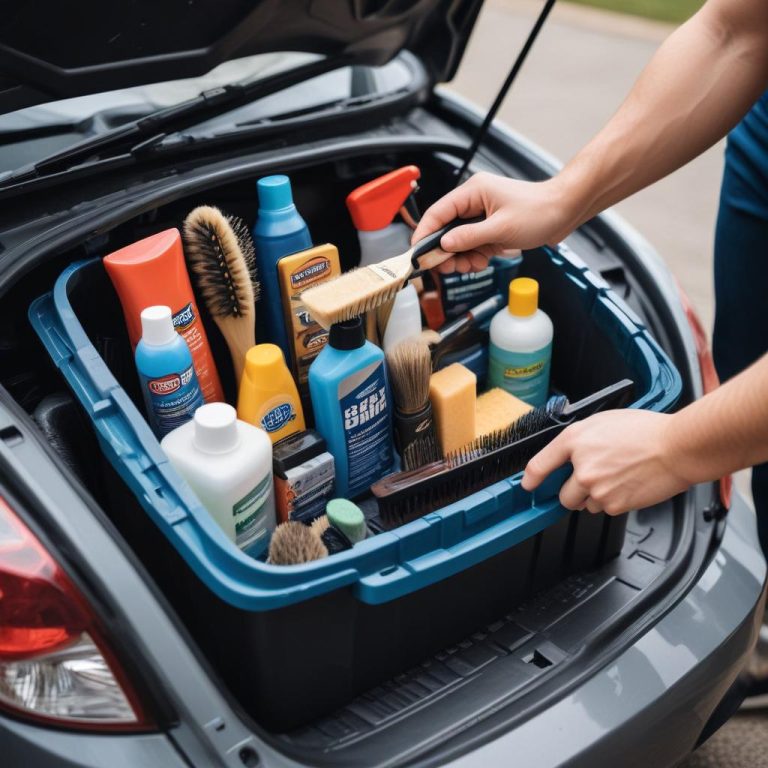
The fix: Use only microfiber towels on your car’s paint and glass. For drying, use a large microfiber drying towel (24” x 36” or larger, 500+ GSM). For general wiping, use smaller microfiber towels. Wash them without fabric softener.
Safety reminder: Fabric softener coats microfiber fibers and ruins their ability to absorb water. One wash with softener destroys a towel’s drying performance permanently.
Have you ever dried your car with a bath towel and wondered why it left fine scratches? Now you know.
Mistake #5: Letting the Car Air Dry
You rinse the car. You’re tired. You think, “I’ll just let it air dry.” Twenty minutes later, your car is covered in white, chalky water spots.
Why it’s bad: Tap water contains dissolved minerals (calcium, magnesium, iron). When water evaporates, these minerals are left behind as hard, white spots. Over time, these spots can etch into your clear coat and become permanent.
The damage: Ugly white spots that are difficult to remove. Etched spots that require polishing or even wet sanding. A dull, spotted appearance even when the car is otherwise clean.
The fix: Dry immediately after your final rinse. Use a large microfiber drying towel. Work from top to bottom. Use a spray wax as a drying aid — it lubricates the towel and adds shine.
Interesting fact: Hard water spots are more common in areas with well water or old city pipes. If you get spots every time, consider using a deionized water system or a rinseless wash product.
Mistake #6: Scrubbing Bird Droppings
A bird targets your hood. You grab a paper towel and scrub it off immediately. Good for you for acting fast — but scrubbing is the wrong move.
Why it’s bad: Bird droppings contain uric acid and small, hard particles (seeds, grit that birds eat). Scrubbing grinds those particles into your clear coat, creating scratches. The acid is already damaging the paint — scrubbing makes it worse.
The damage: Fine scratches around the dropping site. Potential clear coat etching from the acid. A permanent stain if the acid has time to react.
The fix: Soak, don’t scrub. Spray the dropping with waterless wash or quick detailer. Let it sit for 30–60 seconds to soften. Then gently lift the dropping off with a microfiber towel — don’t rub. Dab or blot. Spray again and wipe the area clean.
Safety reminder: If a bird dropping has been on the paint for more than a day, the acid may have already etched the clear coat. Remove it immediately to prevent permanent damage.
Mistake #7: Using the Same Towel for Everything
You have one microfiber towel. You use it for wheels, paint, windows, and interior. By the time you’re done, that towel has brake dust, wax residue, glass cleaner, and interior cleaner all mixed together.
Why it’s bad: Brake dust contains metal particles that are extremely abrasive. When you use that same towel on your paint, you’re grinding metal into your clear coat. Glass cleaner residue can interfere with wax bonding. Interior cleaner can leave films on glass.
The damage: Scratches from brake dust. Poor wax adhesion. Streaky windows. Interior cleaner residue on paint.
The fix: Color-code your towels. Use one color for paint (blue or yellow), a different color for wheels (red or black), a third color for glass (green), and a fourth for interior (gray). Never mix them.
Interesting fact: Professional detailers often use 15–20 microfiber towels per car. They never reuse a towel without washing it first. You don’t need that many, but you do need at least 6–8 separate towels.
Do you have a “favorite” towel that you use for everything? That towel is damaging your car.
Mistake #8: Spraying Cleaner Directly onto Electronics
You want to clean the dashboard. You spray interior cleaner directly onto the touchscreen or the gauge cluster. Liquid runs down into the edges.
Why it’s bad: Car electronics are not fully sealed. Liquid can seep into the edges of touchscreens, behind gauge cluster plastic, and into buttons. Once inside, it can short circuits, cause corrosion, or leave permanent residue under the screen.
The damage: Dead pixels on touchscreens. Non-responsive buttons. Permanent fogging or residue inside gauge clusters. Expensive repairs (a replacement touchscreen can cost $1,000+).
The fix: Spray cleaner onto a microfiber towel first, then wipe. Never spray directly onto any electronic surface. For touchscreens, use a dry or slightly damp (water only) towel.
Safety reminder: Some interior cleaners contain alcohol or solvents that can damage anti-glare coatings on screens. Check the label. When in doubt, use only a slightly damp microfiber with plain water on screens.
Mistake #9: Forgetting to Clean Microfiber Towels Properly
You use your microfiber towels. They get dirty. You throw them in the washing machine with your regular laundry and some fabric softener.
Why it’s bad: Fabric softener coats the microscopic split fibers of microfiber, making them unable to absorb water. High heat melts the fibers. Washing with cotton towels transfers lint and detergent residue.
The damage: Towels that push water around instead of absorbing it. Lint on your paint after drying. Scratchy towels that feel rough.
The fix: Wash microfiber separately. Use cold or warm water (never hot). Use a liquid detergent with no fabric softener, no bleach, no dyes. Air dry or tumble dry on the lowest heat setting.
Interesting fact: A microfiber towel washed with fabric softener once is permanently ruined. The coating cannot be removed. Always use detergent labeled “free and clear.”
Mistake #10: Using Automatic Brush Car Washes
It’s cold outside. You don’t want to hand wash. You take your car to the tunnel wash with the big spinning brushes.
Why it’s bad: Those brushes collect dirt from every car that went through before you. They slap against your paint, grinding that dirt into your clear coat. The brushes are also made of materials that are abrasive to automotive paint.
The damage: Swirl marks. Holograms. Fine scratches all over the car. Paint that looks dull and gray instead of shiny and deep.
The fix: Use touchless automatic washes (no brushes) if you must use an automatic wash. Better yet, hand wash at home or use a rinseless wash product in your garage.
Safety reminder: Some automatic washes use harsh chemicals that can strip wax or damage trim. Touchless washes are safer for paint but less effective at removing heavy grime. There’s no perfect automatic option — hand washing is always safer.
Mistake #11: Applying Wax on a Hot Car
You finish washing. The car is still hot from the sun. You decide to wax it anyway.
Why it’s bad: Hot paint causes wax to dry almost instantly. Instead of spreading evenly, it bakes onto the surface in a thin, hard layer that’s extremely difficult to remove. You’ll spend an hour buffing off wax that should have wiped away easily.
The damage: Wax residue that won’t buff off. White, chalky buildup in trim and emblems. Wasted product. Frustration.
The fix: Only apply wax when the paint is cool to the touch. Work in the shade. If the car is warm, wait 30 minutes for it to cool. For liquid waxes, apply a very thin layer — you should barely see it.
Interesting fact: Some paste waxes can melt in hot cars. If you store wax in your trunk during summer, it may separate or change consistency. Keep wax in a cool place.
Mistake #12: Neglecting the Undercarriage in Winter
You wash the paint. The car looks clean. But underneath, salt is eating your brake lines, suspension, and frame rails.
Why it’s bad: Road salt is corrosive. It sticks to metal and attracts moisture, creating an electrolyte that accelerates rust. Undercarriage components like brake lines, exhaust hangers, and suspension parts are all vulnerable. Rust is expensive to repair and can be dangerous.
The damage: Rusted brake lines (brake failure). Corroded exhaust (leaks, noise). Rusted suspension components (alignment issues, failure). Rotted subframes (structural damage).
The fix: Rinse the undercarriage thoroughly after every winter drive. Use a pressure washer with an undercarriage attachment, or kneel beside the car and spray upward into wheel wells and along frame rails. Many DIY car washes have undercarriage sprayers — use them.
Safety reminder: Never spray a pressure washer directly at rubber brake hoses or electrical connectors. Keep the nozzle moving and stay at least 12 inches away.
The 12 Mistakes at a Glance (Cheat Sheet)
| Mistake | Why It’s Bad | The Fix |
|---|---|---|
| Washing in direct sun | Soap and water dry too fast, leave residue | Wash in shade or early/late |
| Using dish soap | Strips wax, dries rubber | Use car shampoo |
| One bucket | Spreads dirt, causes swirl marks | Use two buckets (soap + rinse) |
| Bath towels for drying | Cotton fibers scratch paint | Use microfiber drying towels |
| Air drying | Leaves hard water spots | Dry immediately with towel |
| Scrubbing bird droppings | Grinds grit into paint | Soak, then blot |
| Same towel for everything | Cross-contamination, brake dust scratches | Color-code your towels |
| Spraying electronics | Liquid damages screens and circuits | Spray towel first |
| Improper towel washing | Fabric softener ruins microfiber | Wash cold, no softener, air dry |
| Automatic brush washes | Brushes hold dirt from previous cars | Use touchless or hand wash |
| Wax on hot car | Wax bakes on, hard to remove | Apply only on cool paint |
| Neglecting undercarriage | Salt causes rust on critical parts | Rinse undercarriage in winter |
The One-Time Cost of Fixing These Mistakes
Some of these fixes cost nothing (changing your technique). Others require a small investment.
| Item | Cost | One-Time or Ongoing |
|---|---|---|
| Car shampoo (concentrated) | $10–15 | Ongoing (lasts months) |
| Second bucket | $5–8 | One-time |
| Microfiber wash mitt | $8–12 | One-time (lasts 20–30 washes) |
| Large microfiber drying towel | $12–20 | One-time |
| 12-pack smaller microfiber towels | $15–20 | One-time (lasts years) |
| Detergent (free and clear) | $10 | Ongoing |
| Total to fix all mistakes | $60–85 |
That’s less than one professional detail. And these tools will last for years.
Interesting fact: The average cost of fixing paint damage from improper washing (swirl mark removal) is $200–500. The average cost of replacing a damaged touchscreen is $1,000+. The small investment in proper tools and technique pays for itself many times over.
FAQ: What Not to Do When Cleaning Your Car
Can I use Windex on car windows?
Only if your windows aren’t tinted. Windex contains ammonia, which destroys window tint over time. Use ammonia-free glass cleaner.
Is it okay to wash my car with just water?
No. Water alone won’t remove road grime or salt. You need the surfactants in car shampoo to lift dirt away from paint.
Can I use a sponge instead of a wash mitt?
Sponges trap grit against your paint. Microfiber mitts release grit into rinse water. Use a mitt.
What’s wrong with drying my car with a leaf blower?
Nothing — that’s actually a good technique. But use an electric blower, not gas (gas can spit oil). And keep the nozzle at least 6 inches from paint.
Is it safe to clean my engine bay with a pressure washer?
Not recommended for beginners. High pressure can force water into electrical connectors. If you must, use low pressure, cover sensitive components, and research your specific car first.
Can I use vinegar to remove water spots?
Yes, diluted 1:1 with distilled water. But rinse immediately afterward. Don’t let vinegar sit on paint — it’s acidic.
How do I know if my microfiber towels are ruined?
If they feel rough, leave lint, or push water instead of absorbing, they’re done. Replace them.
The Bottom Line: Slow Down and Do It Right
Most car cleaning mistakes happen because people rush. They want to finish quickly. They use what’s handy instead of what’s correct. They skip steps that seem optional.
But here’s the truth: taking an extra 15 minutes to set up two buckets, grab the right towels, and find some shade will save you hours of frustration later. Your paint will look better for years. You won’t have to pay for swirl mark removal or touchscreen replacement.
The 12 mistakes in this guide are all easy to avoid. Read the list before every wash. Check yourself. Are you washing in the sun? Are you using one bucket? Are you drying with a bath towel? Stop. Fix it. Your car will thank you.
Interesting fact: A car that’s hand-washed correctly every two weeks will retain its factory clear coat for 10–15 years. A car that’s washed with common mistakes might need paint correction after 3–5 years. The difference is technique, not time or money.
What’s your go-to cleaning method or tool? Share your experience in the comments below.
References: