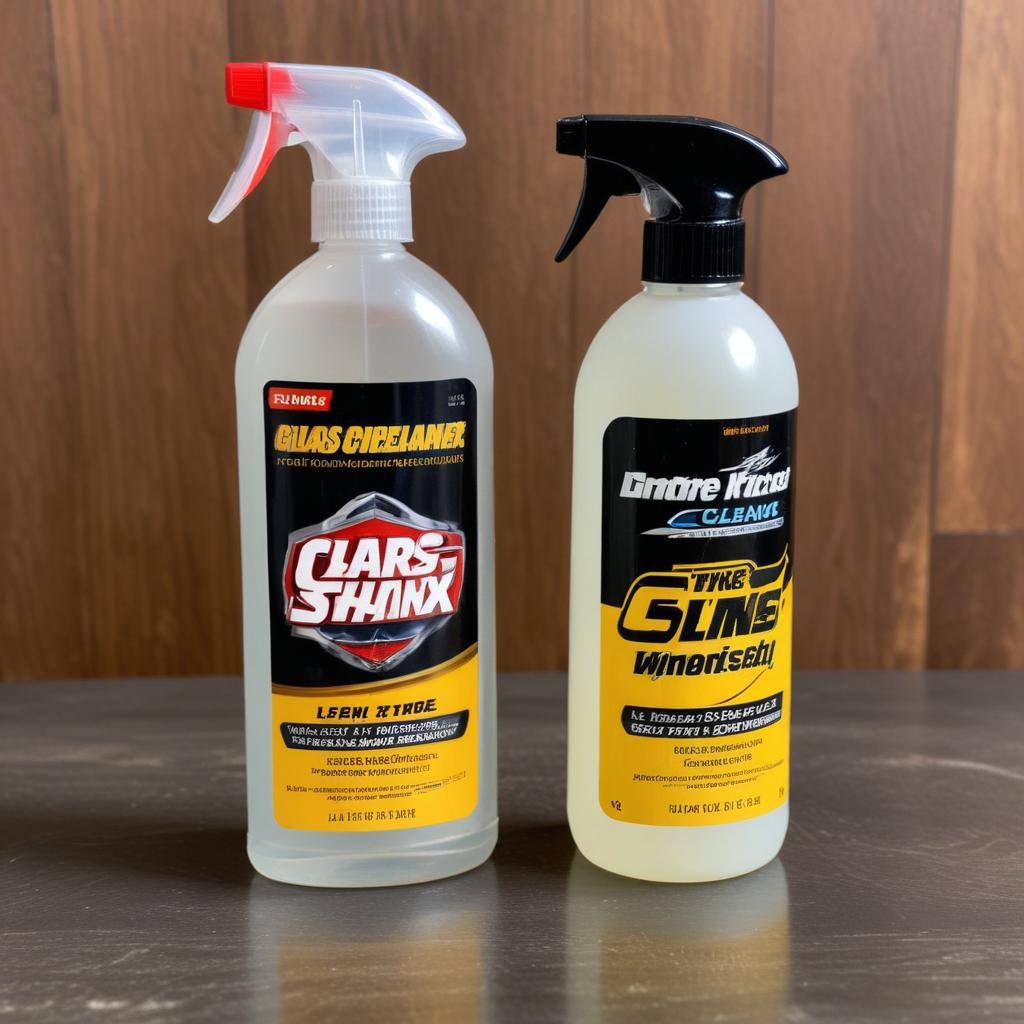
Interior vs Exterior Car Cleaning Kits: Key Differences | Why You Need Separate Tools for Inside and Outside
You grab your all-in-one car cleaning kit, spray the same cleaner on the dashboard and the paint, wipe both with the same towel, and then wonder why your windows are streaky, your interior feels greasy, and your paint has lost its shine.
That’s a common mistake. Most people think a car cleaning kit is a car cleaning kit — one set of products and tools for the whole vehicle. But inside and outside are completely different environments with different challenges. The paint needs protection from UV and abrasion. The interior needs gentle cleaning that won’t damage plastics or fabrics. Using exterior products inside can leave greasy residue or harmful fumes. Using interior products outside won’t remove road grime or protect against the elements. This guide breaks down exactly what belongs where, so you can build or buy the right tools for each job.
TL;DR
Exterior kits focus on paint protection, scratch prevention, and removing road grime, salt, and brake dust. Interior kits focus on gentle cleaning, UV protection, stain removal, and odor elimination. Never use exterior wheel cleaner on interior plastics — it will stain or damage them. Never use interior fabric cleaner on paint — it won’t protect against UV. The best approach is to have two separate kits: one for exterior (buckets, wash mitt, drying towel, car shampoo, spray wax, wheel cleaner) and one for interior (vacuum, interior cleaner, glass cleaner, detailing brushes, microfiber towels, odor eliminator). Keep them separate to avoid cross-contamination.
Key Takeaways
- Exterior products are stronger and often contain abrasives or strong chemicals not safe for interiors.
- Interior products are gentler and may leave residues that attract dirt if used on paint.
- Never mix towels between exterior and interior — brake dust from wheels will scratch interior plastics.
- Exterior kits need larger towels and two-bucket systems; interior kits need brushes and vacuums.
- Glass cleaner is the only product that works equally well inside and outside.
Understanding Why Interior and Exterior Are Different
Here’s the thing about cleaning a car — the inside and outside face completely different enemies. The outside deals with road salt, bird droppings, tree sap, brake dust, UV radiation, and abrasion from dirt and sand. The inside deals with body oils, food crumbs, spilled drinks, dust, bacteria, and off-gassing from plastics.
Interesting fact: The exterior of a car can reach 170°F in summer sun. The interior can hit 150°F. But exterior products are formulated for heat and UV exposure. Interior products are not.
Think about what you’re trying to achieve. Outside, you want to remove bonded contamination and add a protective layer that blocks UV and repels water. Inside, you want to remove bacteria and oils without leaving slippery residues or strong chemical smells.
So ask yourself: Have you ever used a product on the wrong surface and gotten bad results? That’s not the product’s fault — it’s the wrong tool for the job.
What Happens When You Mix Them Up
Let me give you specific examples of what goes wrong.
Using exterior wheel cleaner on interior plastic: Wheel cleaner contains strong acids or alkalis to dissolve brake dust. Spray it on your dashboard, and you’ll get discoloration, staining, or even melting of soft-touch plastics. Permanent damage.
Using interior cleaner on paint: Interior cleaners are designed to be gentle on plastics and fabrics. They lack the surfactants needed to break down road grime and offer no UV protection. Your paint will look clean for a day, then get dirty faster because there’s no wax barrier.
Using the same towel for wheels and dashboard: That towel now has brake dust embedded in it. Brake dust contains metal particles. Wipe your dashboard with that towel, and you’ll scratch soft plastics permanently.
Using exterior glass cleaner on tinted windows: Some exterior glass cleaners contain ammonia. Ammonia destroys window tint over time, causing it to bubble and peel.
Safety reminder: Never use exterior tire shine on interior vinyl or leather. It’s too slippery and can make your seat or steering wheel dangerously slick. Also, the solvents can damage interior surfaces.
Have you ever cleaned your dashboard with a towel that had previously touched your wheels? Those fine scratches you see in the sun might be brake dust damage.
Timeline: How Interior and Exterior Products Diverged
Car cleaning products weren’t always specialized. In the early days, one soap and one rag did everything.
Both interior and exterior products have become highly specialized. Today, using the wrong product in the wrong place gives noticeably worse results than it would have 30 years ago — because the right products are so much better.
Exterior Car Cleaning Kits: What They Include and Why
Let’s break down a proper exterior kit.
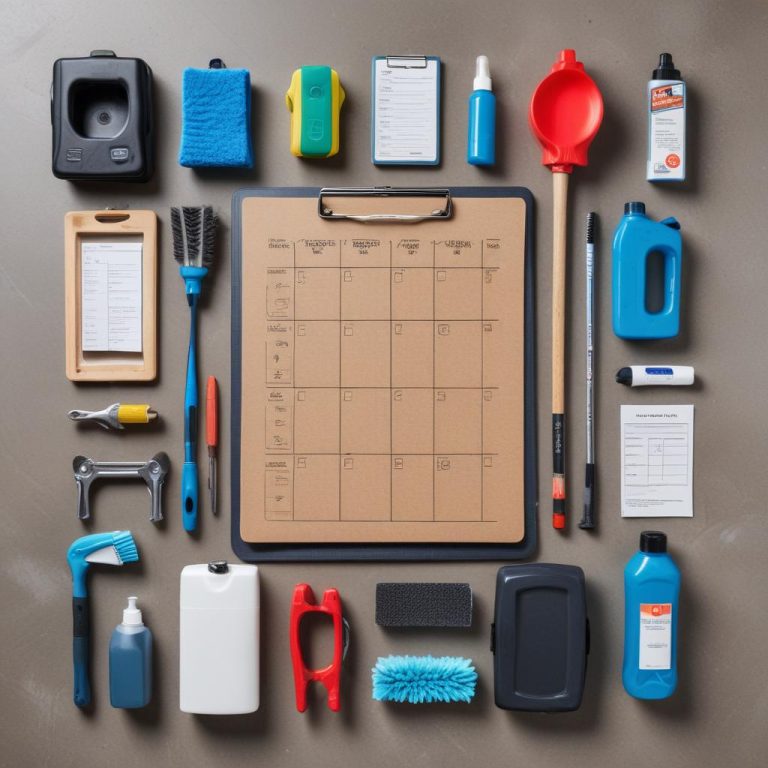
Core Exterior Tools
Two buckets with grit guards — This is the foundation of scratch-free washing. One bucket for soapy water, one for rinsing your mitt. Grit guards trap dirt at the bottom.
Microfiber wash mitt — Plush, deep-nap microfiber that releases dirt into rinse water instead of holding it against paint.
Large microfiber drying towel (24″ x 36″ or larger) — Holds a gallon of water. Dries a whole car in minutes without wringing.
Concentrated car shampoo — pH-balanced, high-lubricity formula. Creates slickness so dirt slides off instead of scratching.
Spray wax or quick detailer — Used as a drying aid. Adds lubrication and leaves a protective layer.
Wheel cleaner — Stronger formula with iron dissolvers. Turns purple as it reacts with brake dust.
Wheel brush or dedicated wheel mitt — Separate tool that never touches paint.
Glass cleaner — Ammonia-free for tint safety.
Why Exterior Products Are Different
Stronger surfactants — Break down road film, oil, and wax from other cars.
Higher pH options — Some winter shampoos are slightly alkaline to neutralize salt.
UV blockers — Waxes and sealants include UV inhibitors to prevent paint fading.
Abrasive resistance — Some compounds and polishes contain microscopic abrasives for scratch removal.
Hydrophobic additives — Make water bead up and roll off.
Interesting fact: Exterior spray waxes often contain silicone polymers that create water beading. Those same silicones can leave a greasy, slippery film on interior surfaces that attracts dust.
Safety reminder: Never use exterior compounds or polishes on interior painted surfaces like door jambs without testing first. Some are too aggressive for interior-grade paint.
Interior Car Cleaning Kits: What They Include and Why
Now let’s look at a proper interior kit.
Core Interior Tools
Vacuum with attachments — Removes loose dirt before you wipe anything. Crevice tool for seats, brush tool for carpets.
Interior cleaner (all-in-one) — Gentle, pH-neutral formula for plastics, vinyl, and rubber. Often includes UV protection.
Fabric cleaner — For cloth seats and carpets. Breaks down organic stains (coffee, soda, sweat).
Leather cleaner and conditioner — pH-balanced for leather. Cleaner removes dirt; conditioner replaces oils.
Glass cleaner — Same as exterior, but use a dedicated interior glass towel.
Detailing brush set — Soft bristles for vents, buttons, cup holders, and seams.
Microfiber towels (small, 12″ x 12″) — For wiping surfaces and buffing.
Odor eliminator — Enzyme-based spray that neutralizes smells instead of covering them.
Why Interior Products Are Different
Low odor or fragrance-free options — Strong chemical smells linger inside a closed car.
No abrasives — Interior plastics and screens scratch easily.
UV protection — Prevents dashboard cracking and fading from sun through windows.
Matte or low-gloss finish — Shiny dashboards create dangerous glare on the windshield.
Enzyme-based stain removers — Break down organic material (food, sweat, pet accidents) at molecular level.
Antimicrobial additives — Some interior cleaners include bacteria-killing ingredients.
Interesting fact: The average car steering wheel has four times more bacteria than a public toilet seat. Interior cleaners with antimicrobial properties aren’t just cosmetic — they’re hygiene products.
Comparison Table: Interior vs Exterior Kits Side by Side
| Feature | Exterior Kit | Interior Kit |
|---|---|---|
| Primary goal | Paint protection, scratch prevention | Stain removal, hygiene, UV protection |
| Key tools | Buckets, wash mitt, drying towel | Vacuum, detailing brushes |
| Towel size | Large (24″ x 36″+) | Small (12″ x 12″ typical) |
| Towel GSM | 500–800 (thick) | 300–400 (medium) |
| Chemical strength | Strong (high pH, solvents) | Gentle (pH-neutral) |
| Abrasives | Yes (in polishes) | No |
| UV protection | Yes (waxes, sealants) | Yes (dashboard protectants) |
| Scent | Typically mild or unscented | Often fragrance-free or light |
| Flammability | Some aerosols flammable | Generally non-flammable |
| Water usage | High (hose, buckets) | Low (spray bottles only) |
| Time per session | 30–60 minutes | 30–60 minutes |
| Frequency | Weekly to bi-weekly | Weekly to monthly |
Products That Bridge the Gap (Very Few)
There are very few products that work equally well inside and outside. Here are the exceptions.
Glass cleaner — Works the same on both sides of the glass. But use separate towels for interior and exterior glass. The exterior glass has road grime; the interior glass has off-gassing film.
All-purpose cleaner (diluted properly) — A heavily diluted APC (10:1 water to product) can be used on both exterior wheels and interior vinyl. But it’s not ideal for either. Dedicated products work better.
Microfiber towels (in theory) — The same towel can be used anywhere. But in practice, you should never mix them. Cross-contamination is too risky.
Interesting fact: Some professional detailers use the same diluted all-purpose cleaner for wheels and door jambs. But they use completely different towels and rinse thoroughly between uses. That’s expert-level technique — not recommended for beginners.
Safety reminder: Never use interior fabric cleaner on exterior paint. It lacks UV protection and may contain optical brighteners that look weird on clear coat.
Why You Need Separate Towels for Interior and Exterior
This is the most important rule that most people break.
The cross-contamination problem:
- Your exterior drying towel touches paint. Paint has microscopic contaminants.
- Your wheel towel has brake dust (metal particles).
- Your interior towel touches plastics and fabrics.
If you mix them, brake dust gets on your paint (scratches). Paint contaminants get on your dashboard (scratches). Glass cleaner residue gets on your paint (stains).
The solution: Color-code your towels.
| Color | Use | Notes |
|---|---|---|
| Blue | Exterior paint (drying, buffing wax) | Keep pristine |
| Yellow | Exterior wheels and tires | Gets dirty, stays dirty |
| Green | Glass (inside and outside) | Use separate green for interior vs exterior if possible |
| Gray | Interior hard surfaces | Dashboard, doors, console |
| White | Interior fabric and leather | Clean seats, carpets |
How many you need:
- Exterior paint: 2–3 large towels, 2–3 small towels
- Exterior wheels: 2–3 old towels (sacrificial)
- Glass: 2–3 towels
- Interior: 4–6 small towels
Interesting fact: Professional detailers often go through 15–20 microfiber towels per car. They never reuse a towel without washing it first. You don’t need that many, but the principle is sound — separate towels for separate jobs.
Do you currently use the same towel for wheels and paint? That’s brake dust on your hood right now.
Building Two Kits on a Budget
You don’t need to spend a fortune. Here’s how to build both kits for under $100 total.
Budget Exterior Kit ($50–60)
| Item | Cost | Notes |
|---|---|---|
| Two 5-gallon buckets (hardware store) | $10 | Skip grit guards for now |
| Microfiber wash mitt | $8 | Basic but not foam |
| Large drying towel (24″ x 36″) | $12 | 500+ GSM |
| Concentrated car shampoo (64 oz) | $15 | Meguiar’s Gold Class |
| Spray wax (16 oz) | $8 | Meguiar’s Quik Wax |
| Smaller towels for paint (6-pack) | $8 | Amazon basics |
| Old towels for wheels (from home) | $0 | Repurpose worn bath towels |
| Total | $61 |
Budget Interior Kit ($35–40)
| Item | Cost | Notes |
|---|---|---|
| Handheld vacuum (basic) | $20 | Black+Decker or similar |
| Interior cleaner (16 oz) | $10 | Chemical Guys or Meguiar’s |
| Glass cleaner (19 oz) | $5 | Invisible Glass |
| Smaller towels for interior (6-pack) | $8 | Different color from exterior |
| Old toothbrush (for vents) | $0 | From home |
| Total | $43 |
Combined total: Under $105 for two complete kits.
Interesting fact: If you already own a household vacuum, skip the handheld and use that. Put a clean attachment on for the car. That saves $20 immediately.
Common Mistakes When Buying or Building Kits
Mistake #1: Buying an “All-in-One” Kit
These kits promise everything in one box. But the towels are too small for exterior drying and too rough for interior plastics. The products are jack-of-all-trades, master of none.
Fix: Buy separate products for interior and exterior. Or buy a basic exterior kit and add interior products individually.
Mistake #2: Using the Same Spray Bottle for Different Products
You finish your wheel cleaner, rinse the bottle, and fill it with interior cleaner. But you didn’t rinse thoroughly enough. Now your interior has wheel cleaner residue.
Fix: Keep products in their original bottles. Don’t transfer to unlabeled sprayers. If you must transfer, label clearly and rinse three times.
Mistake #3: Storing Interior and Exterior Products Together
Your wheel cleaner leaks. It gets on your interior cleaner bottle. You touch the sticky interior cleaner bottle, then your dashboard. Now wheel cleaner is on your dashboard.
Fix: Store interior products in a separate bin from exterior products. Use plastic bins with lids. Check for leaks monthly.
Mistake #4: Using Exterior Wash Mitt on Interior
You finish washing the car. The mitt is still soapy. You wipe down the door jambs. Now the mitt has interior grime. Next week, you use the same mitt on your paint.
Fix: Never let exterior tools touch interior surfaces. Keep a separate set of towels for door jambs if you clean them.
Safety reminder: Never use exterior tire dressing on interior vinyl. It’s too slippery and can make pedals or steering wheel dangerous.
FAQ: Interior vs Exterior Car Cleaning Kits
Can I use exterior car shampoo on interior carpets?
No. Exterior shampoo is too strong and may leave residue that attracts dirt. Use dedicated fabric cleaner.
Can I use interior cleaner on exterior paint?
It won’t damage paint immediately, but it offers no UV protection and won’t remove road grime well. Not recommended.
Do I need separate glass cleaner for inside and outside?
The same glass cleaner works. But use separate towels — exterior glass has road grime, interior glass has different residues.
What’s the one product I can use anywhere?
Diluted all-purpose cleaner (10:1 water to product) can be used on exterior wheels and interior vinyl. But dedicated products work better.
How many towels do I need total?
At least 12: 2 large drying for exterior, 4 small for exterior paint, 3 for interior, 2 for glass, 2 for wheels (old towels).
Can I wash interior and exterior towels together?
Yes, if none have heavy grease or wheel cleaner. But separate loads is safer. Always wash without fabric softener.
Is it worth having two separate kits?
Yes. The cost is minimal ($100–150 total). The protection against cross-contamination and wrong-product damage is worth it.
The Bottom Line: Keep Them Separate
Interior and exterior car cleaning are different jobs that need different tools. Exterior kits focus on paint protection, scratch prevention, and removing harsh contaminants. Interior kits focus on gentle cleaning, stain removal, UV protection, and hygiene.
You can buy two separate pre-made kits, but building your own is cheaper and better. Start with the exterior essentials (buckets, wash mitt, drying towel, shampoo, spray wax). Then add interior essentials (vacuum, interior cleaner, glass cleaner, detailing brushes). Color-code your towels. Store products separately. Never mix tools between jobs.
Your car will look better. Your paint will last longer. Your interior won’t get scratched by brake dust. And you’ll stop wondering why that “all-purpose” product never seems to work right.
Interesting fact: Professional detailers often have three separate kits: exterior paint, exterior wheels/tires, and interior. They never mix tools between these three categories. That’s the level of separation that prevents damage.
What’s your go-to cleaning method or tool? Share your experience in the comments below.
References: