Car Cleaning Brushes Explained: Types and Uses | Stop Scratching Your Paint With the Wrong Brush
You grab a stiff scrub brush from the garage, attack your dirty wheels, and step back to admire your work—only to realize you’ve left fine scratches all over the clear coat.
I’ve done it too. That old dish brush seemed perfect for the job. It was stiff enough to remove brake dust, and it fit right in my hand. But car paint doesn’t forgive mistakes like kitchen counters do. One wrong brush can leave marks that take hours to polish out.
This post is your complete guide to Car Cleaning Brushes Explained: Types and Uses. You’ll learn which brush goes where, which ones to avoid completely, and how to build a small brush collection that handles everything from wheel barrels to air vents—without damaging a single surface.
TL;DR
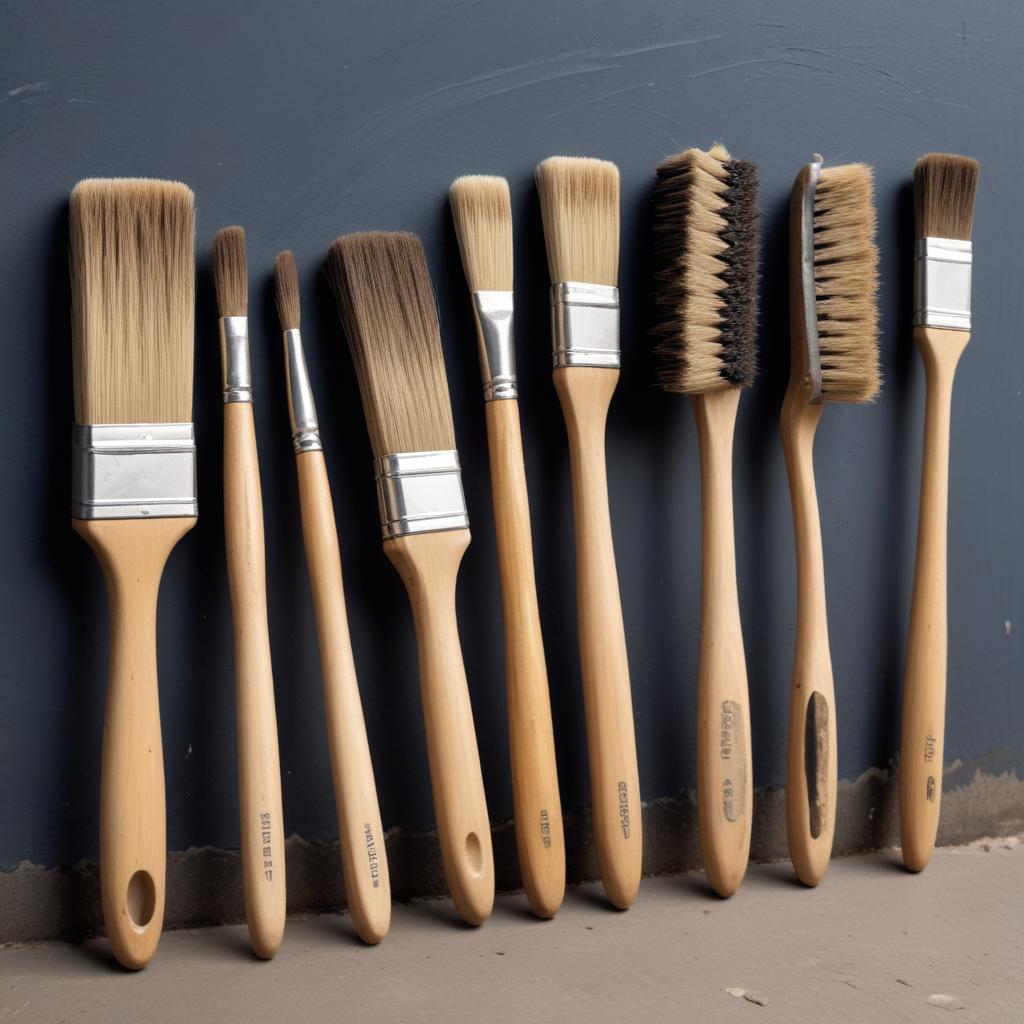
There are five main types of car cleaning brushes: wheel brushes (long handle, soft bristles), detailing brushes (small, for vents and crevices), tire brushes (stiff, curved, for rubber), upholstery brushes (soft, for fabric), and boar’s hair brushes (ultra-soft, for paint). Never use a brush on paint unless it’s labeled “scratch-free” or “boar’s hair.” A good starter set includes one wheel brush, one tire brush, two detailing brushes (small and medium), and one soft interior brush. Total cost: $25–40. Microfiber Cloths still do most of the interior work—brushes are for scrubbing, not wiping.
Key Takeaways
- Different brushes are designed for wheels, tires, paint, glass, interiors, and engine bays.
- The softest brush you own should be the only one that ever touches painted surfaces.
- Wheel brushes need long handles to reach inside the barrel (the back of the wheel).
- Detailing brushes (small, with soft tips) are perfect for air vents, badges, and trim gaps.
- Never use the same brush on wheels and paint—brake dust is metallic and will scratch.
- A $5 boar’s hair paintbrush from an art supply store works as well as a $15 “car detailing brush.”
- Clean your brushes after every use. Dirty brushes scratch just like dirty cloths.
Why Brush Type Matters More Than You Think
Here’s the thing about car surfaces. They’re not all the same hardness. Clear coat is soft. Wheel clear coat is harder but still scratchable. Rubber tires are tough but can be dried out by harsh brushes. Glass is hard but can be micro-scratched by stiff bristles. Plastic trim scratches if you look at it wrong.
Using the wrong brush on the wrong surface is like using a steak knife to butter bread. It sort of works, but you’re causing damage you can’t see until later.
Cleaning regularly helps prevent long-term damage and reduces effort over time. Using the right brush makes regular cleaning faster and safer.
Have you ever noticed those tiny white scratches on your door handles or around your emblems? Those usually come from a detailing brush that was too stiff or used with too much pressure.
The Five Brush Types You Actually Need
Let me break down each brush type, what it’s for, and what to look for when buying.
1. Wheel Brushes (Long Handle, Soft Bristles)
Wheels are the dirtiest part of any car. Brake dust is made of metal particles from your brake pads. It’s sticky, abrasive, and hard to remove. You need a brush with a long handle to reach between spokes and soft bristles that won’t scratch painted or clear-coated wheels.
What to look for:
- Handle length: at least 12–15 inches. Longer is better for reaching deep barrels.
- Bristle material: soft nylon or microfiber. Nothing stiff enough to feel scratchy on your palm.
- Shape: cylindrical or tapered to fit between spokes.
Best for: Cleaning wheel faces, spokes, and barrels. Also works on wheel wells (plastic liners).
Avoid using on: Paint, glass, or interior surfaces. Wheel brushes pick up metallic dust that will scratch anything else.
Here’s a tip: keep one wheel brush for wheels only. Write “WHEELS” on the handle with a marker. Never let it touch your paint.
Price range: $6–15. Mothers Wheel Brush ($8 at Walmart) and the Chemical Guys Wheel Brush ($12 on Amazon) are both solid choices.
2. Tire Brushes (Curved, Stiffer Bristles)
Tires are rubber, not paint. They can handle stiffer bristles. In fact, you need a bit of stiffness to scrub away brown brake dust residue and old tire shine buildup. A tire brush usually has a curved shape that matches the tire’s sidewall.
What to look for:
- Curved or contoured head to fit the tire sidewall.
- Stiff but not metal bristles. Nylon is fine.
- A handle that keeps your knuckles off the wheel face.
Best for: Scrubbing tire sidewalls and tread edges.
Avoid using on: Paint, wheels (it can scratch wheel clear coat), or interior fabric.
Here’s a fact: brown residue on tires isn’t dirt—it’s blooming, a mix of brake dust and rubber oils. A tire brush removes it better than any cloth.
Price range: $5–10. The Griot’s Garage Tire Brush ($10) and the basic Tire Brush from Walmart ($6) both work well.
3. Detailing Brushes (Small, Soft, Multi-Purpose)
These are the unsung heroes of car cleaning. Detailing brushes are small (usually 4–8 inches long) with soft tips. They fit into tight spaces that cloths can’t reach: air vents, emblems, door handles, trim gaps, and around buttons.
What to look for:
- Soft bristles. Run them across your palm—they should feel gentle.
- Multiple sizes. A set with a small (for vents) and medium (for badges) is ideal.
- Color-coded handles or bristles to avoid cross-contamination.
Best for: Air vents, dashboard crevices, emblems, grilles, door jambs, and around window seals.
Avoid using on: Paint with pressure. Detailing brushes can scratch if you scrub hard or if they pick up grit.
Always test cleaning products on a small area before full use. Some detailing brush bristles can bleed dye onto light-colored interiors.
Price range: $8–15 for a set of 3–6 brushes. Detail Factory and Chemical Guys make good sets. Or buy a $5 pack of soft artist brushes from a craft store—same thing, half the price.
4. Upholstery Brushes (Soft, Wide, for Fabric)
Fabric seats and carpets need agitation to release dirt. Vacuuming alone doesn’t get everything. An upholstery brush has wide, soft bristles that lift dirt from fabric fibers without damaging them.
What to look for:
- Wide head (3–6 inches) to cover more area.
- Soft to medium bristles. Stiff bristles can fray carpet fibers.
- A comfortable handle for scrubbing.
Best for: Carpet floor mats, fabric seats, and trunk carpet.
Avoid using on: Leather seats (scratch risk), plastic trim (scuff risk), or painted surfaces.
Here’s a tip: use an upholstery brush before vacuuming, not after. Scrubbing lifts the dirt, then the vacuum sucks it away.
Price range: $6–12. A horsehair upholstery brush from a hardware store works great. The Chemical Guys Fabric Brush ($10) is also good.
5. Boar’s Hair Brushes (Ultra-Soft, for Paint)
This is the only brush safe enough for painted surfaces. Boar’s hair is naturally soft and non-scratch. It’s used by professional detailers for cleaning emblems, grilles, and door jambs—areas where a wash mitt won’t fit.
What to look for:
- Real boar’s hair, not synthetic “boar’s style.”
- Soft, flexible bristles that bend easily.
- A small to medium head (2–4 inches).
Best for: Cleaning around emblems, grilles, door handles, and mirror housings. Also good for applying tire shine (separate brush, please).
Avoid using on: Wheels, tires, or heavy grime. Boar’s hair is too soft for heavy scrubbing.
Here’s a fact: boar’s hair brushes are used in professional detailing because the bristles are hollow, which helps hold soap and water.
Price range: $10–20. The Detail Factory Boar’s Hair Brush ($18) is a favorite. Or buy a $5 boar’s hair paintbrush from an art supply store—same bristles, different handle.
Complete Brush Comparison Table
Here’s every brush type side by side with real prices from current retailers.
| Brush Type | Best For | Bristle Stiffness | Price Range | Where to Buy | Must-Know Warning |
|---|---|---|---|---|---|
| Wheel brush | Wheel faces and barrels | Soft to medium | $6–15 | Walmart, Amazon, AutoZone | Never touch paint—brake dust scratches |
| Tire brush | Rubber sidewalls | Medium to stiff | $5–10 | Walmart, Target, Amazon | Don’t use on painted wheels |
| Detailing brush (set) | Vents, emblems, crevices | Soft | $8–15 | Amazon, Chemical Guys, craft stores | Wash after each use; grit hides in bristles |
| Upholstery brush | Carpets and fabric seats | Soft to medium | $6–12 | Hardware store, Amazon, auto parts | Test on hidden fabric first |
| Boar’s hair brush | Paint-safe detailing | Ultra-soft | $10–20 | Amazon, Detail Factory, art stores | Only for light dirt and tight spots |
| Glass brush (optional) | Interior windshield corners | Ultra-soft | $8–12 | Amazon | Use only on glass; never dry |
| Engine bay brush | Plastic and metal under hood | Medium | $7–10 | Walmart, Amazon | Keep separate from paint brushes |
Brushes You Should Never Use on a Car
Let me save you from some expensive mistakes. These brushes belong in your garage, not your car cleaning kit.
Dish brush – Stiff nylon bristles. Will scratch clear coat instantly. Use only on floor mats or wheel wells.
Toothbrush – Surprisingly harsh. Old toothbrushes have stiff, uneven bristles that can scratch soft plastic trim. A soft detailing brush is safer.
Wire brush – Never. Not even on tires. Wire brushes destroy rubber and scratch wheels. Throw it away.
Grout brush – Too stiff. The bristles are designed to scrape cement. They’ll scratch paint, wheels, and trim.
Nail brush – Medium stiffness but usually has a sharp plastic edge around the bristles. That edge will scratch.
Always test cleaning products on a small area before full use. Even a “safe” brush can scratch if it has a manufacturing defect or picked up a piece of grit.
How Many Brushes Do You Really Need?
You don’t need ten brushes. You need four or five.
Minimum starter set (3 brushes, $20–25):
- One wheel brush ($8)
- One tire brush ($6)
- One set of detailing brushes (3–4 small brushes, $10)
Standard set (5 brushes, $35–45):
- One wheel brush ($10)
- One tire brush ($8)
- One detailing brush set ($12)
- One upholstery brush ($8)
- One boar’s hair brush ($12)
Enthusiast set (7+ brushes, $60–80):
- All of the above, plus:
- Glass-specific brush for interior windshield corners
- Engine bay brush (separate from paint brushes)
- Extra detailing brushes color-coded for interior vs. exterior
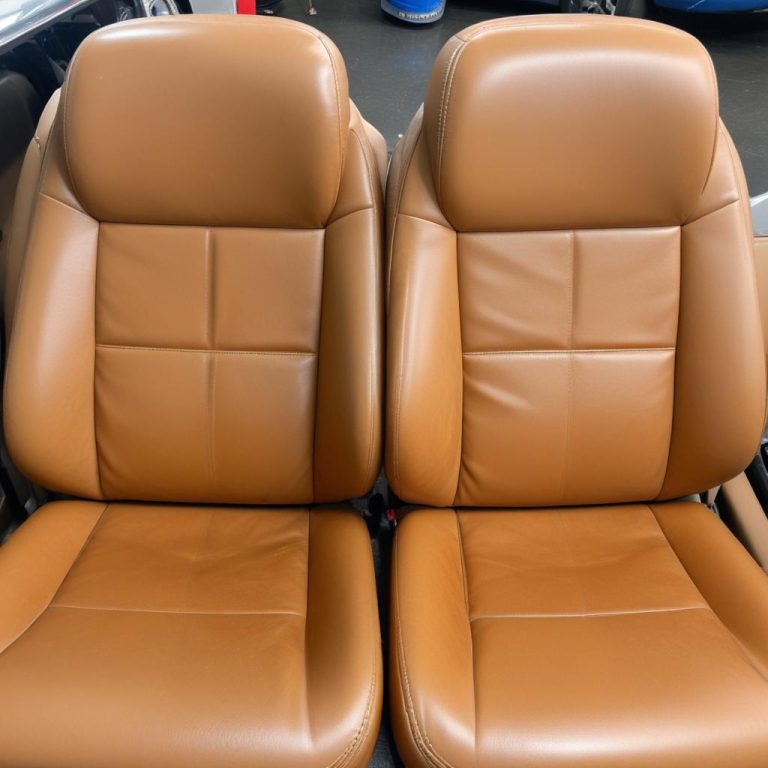
- Soft brush for leather seats
Start with the minimum set. Use it for a few months. Then add brushes based on what frustrates you. Can’t reach inside your wheels properly? Get a longer wheel brush. Air vents still dusty? Get smaller detailing brushes.
Timeline: How Car Cleaning Brushes Have Evolved
Brushes used to be simple—and dangerous for paint.
In the 1970s, most people used the same brush for everything—wheels, paint, windows, and interiors. By 2025, we have specialized brushes for every surface. The result? Fewer scratches and longer-lasting paint.
Real-World Comparison: Brush Types vs. Cleaning Methods
Sometimes a brush is the best tool. Sometimes it’s not.
| Cleaning Task | Best Brush Type | Alternative Method | Which Wins? |
|---|---|---|---|
| Wheel barrels | Long-handle wheel brush | Cloth wrapped around a stick | Brush wins—faster and safer |
| Tire sidewalls | Curved tire brush | All-purpose cleaner and a stiff cloth | Brush wins—removes brown residue better |
| Air vents | Small detailing brush | Compressed air or microfiber on a credit card | Tie—brush is cheaper, air is faster |
| Emblems and badges | Boar’s hair brush | Soft toothbrush or microfiber wrapped around finger | Brush wins—reaches behind letters |
| Carpets | Upholstery brush | Vacuum alone | Brush then vacuum wins—brush lifts dirt first |
| Door jambs | Medium detailing brush | Microfiber cloth | Cloth wins for flat areas, brush for corners |
| Dashboard | No brush (use cloth) | Microfiber cloth | Cloth wins—brushes can leave marks on soft plastic |
“The most common scratch I see on customer cars comes from a detailing brush that was used on paint. Even soft brushes pick up grit. Wash your brushes after every single use.” — Consumer Reports Auto Detailing Survey
How to Clean and Maintain Your Brushes
A dirty brush scratches just like a dirty cloth. Here’s how to keep yours safe.
After every use:
- Rinse thoroughly with water.
- For wheel and tire brushes: spray with all-purpose cleaner, work into bristles, rinse until water runs clear.
- Shake out excess water.
- Hang or stand bristles-up to dry.
Once a month:
- Soak brushes in a bucket with warm water and a drop of dish soap (yes, dish soap is fine for cleaning brushes—just not for your car).
- Agitate bristles gently.
- Rinse completely.
- Air dry.
When to replace:
- Bristles are bent or frayed.
- Handle is cracked.
- Brush smells musty even after cleaning (bacteria in the bristles).
- You dropped it in a dirty puddle (just buy a new one for paint-safe use).
Here’s a tip: store brushes with bristles up. Storing them bristles-down in a bucket bends the bristles permanently and traps moisture.
Common Brush Mistakes (And How to Fix Them)
Let me save you from the face-palm moments.
Using the same brush for wheels and paint. Brake dust contains iron particles. Those particles embed in the brush. Then you scrub your paint with an iron-filled brush. Fix: color-code your brushes. Red handle for wheels. Blue handle for paint. No exceptions.
Scrubbing dry. Brushes need lubrication. Spray soap or all-purpose cleaner on the surface first. Dry brushing is like dry shaving—painful and damaging.
Using too much pressure. Let the bristles do the work. Pressing harder doesn’t clean better—it just increases scratch risk.
Forgetting to clean the brush itself. A brush full of old grit is a scratch machine. Rinse after every panel, not just after the whole car.
Buying the cheapest brush on the shelf. A $2 brush from the dollar store has inconsistent bristles, sharp mold seams, and zero quality control. Spend $6–8. Your paint will thank you.
FAQ: Car Cleaning Brush Questions Answered
What is the best brush for cleaning car wheels?
A long-handle wheel brush with soft nylon bristles. Mothers and Chemical Guys make reliable options for $8–12.
How often should you replace car cleaning brushes?
Every 6–12 months for frequent use, or sooner if bristles are bent or frayed.
What tools are needed for cleaning tight interior spaces?
A set of small detailing brushes (3–5 pieces) with soft tips. Also useful: compressed air and microfiber cloths wrapped around thin objects.
Can I use a toothbrush on my car’s interior?
Only if it’s ultra-soft and labeled “for sensitive gums.” Most toothbrushes are too stiff. Buy a proper detailing brush instead.
Are expensive detailing brushes worth the money?
For paint-safe work, yes—cheap brushes often have inconsistent bristles that scratch. For wheels and tires, budget brushes are fine.
What mistakes should I avoid when buying brushes?
Buying a set with bristles that feel scratchy on your palm. Assuming “car brush” means paint-safe. Using the same brush for multiple surfaces.
Is a brush ever safe for car paint?
Yes—boar’s hair brushes are safe for paint when used correctly (wet, light pressure, clean bristles). But a microfiber mitt is still safer for large areas.
The One Brush Almost Everyone Forgets
Let me tell you about a brush that costs $3 and solves a problem you didn’t know you had.
A soft 1-inch artist’s brush.
Not from an auto parts store. From a craft store or art supply aisle. Look for a short handle and soft, tapered bristles. Use it for:
- Dusting around radio knobs
- Cleaning inside cup holders
- Reaching under seat rails
- Dusting gauge cluster faces (where scratches are super obvious)
It’s cheap, gentle, and works better than any “car detailing brush” that costs three times as much.
Building Your Brush Collection in Phases
You don’t need all five brush types on day one. Here’s a smarter approach.
Phase 1 ($20): Wheels and tires only.
Buy one wheel brush and one tire brush. Use microfiber cloths for everything else.
Phase 2 ($15 more): Detailing set.
Add a 3-pack of detailing brushes for vents, emblems, and interior crevices.
Phase 3 ($10 more): Upholstery brush.
Add a soft, wide brush for carpets and fabric seats.
Phase 4 ($12 more): Boar’s hair brush.
Add a paint-safe brush for emblems, grilles, and door jambs.
Total over time: $57 for a complete, high-quality brush collection. Spread over six months, that’s less than $10 a month.
The Bottom Line
Here’s what you need to remember. Brushes are specialized tools. Use the wrong one, and you scratch. Use the right one, and you clean faster and safer than cloths alone.
Start with a wheel brush and a tire brush. Add detailing brushes next. Then decide if you need upholstery and boar’s hair brushes based on how deep you want to clean.
And never, ever use the same brush on wheels and paint. That’s the number one rule. Break it once, and you’ll see the scratches in the sunlight tomorrow.
Now go check your garage. What brushes are you using that shouldn’t be anywhere near your car?
What’s your go-to cleaning method or tool? Share your experience in the comments below.
References: